Introduction Aluminium alloy selection is one of the most important decisions in industrial material procurement. Different aluminium alloy grades provide different combinations of strength, corrosion resistance, weldability, machinability, formability and weight advantages. Aluminium alloys are generally classified into series from 1000 to... Read more »
Introduction Invar 36 is a nickel-iron precision alloy known for its extremely low coefficient of thermal expansion. It is widely supplied in sheet, plate, bar and wire forms for applications requiring excellent dimensional stability under temperature changes. Compared with conventional steels and... Read more »
Introduction Invar is a nickel-iron alloy known for its extremely low coefficient of thermal expansion. This unique property, known as the Invar effect, allows the material to maintain excellent dimensional stability when temperature changes occur. Unlike conventional metals that expand and contract... Read more »
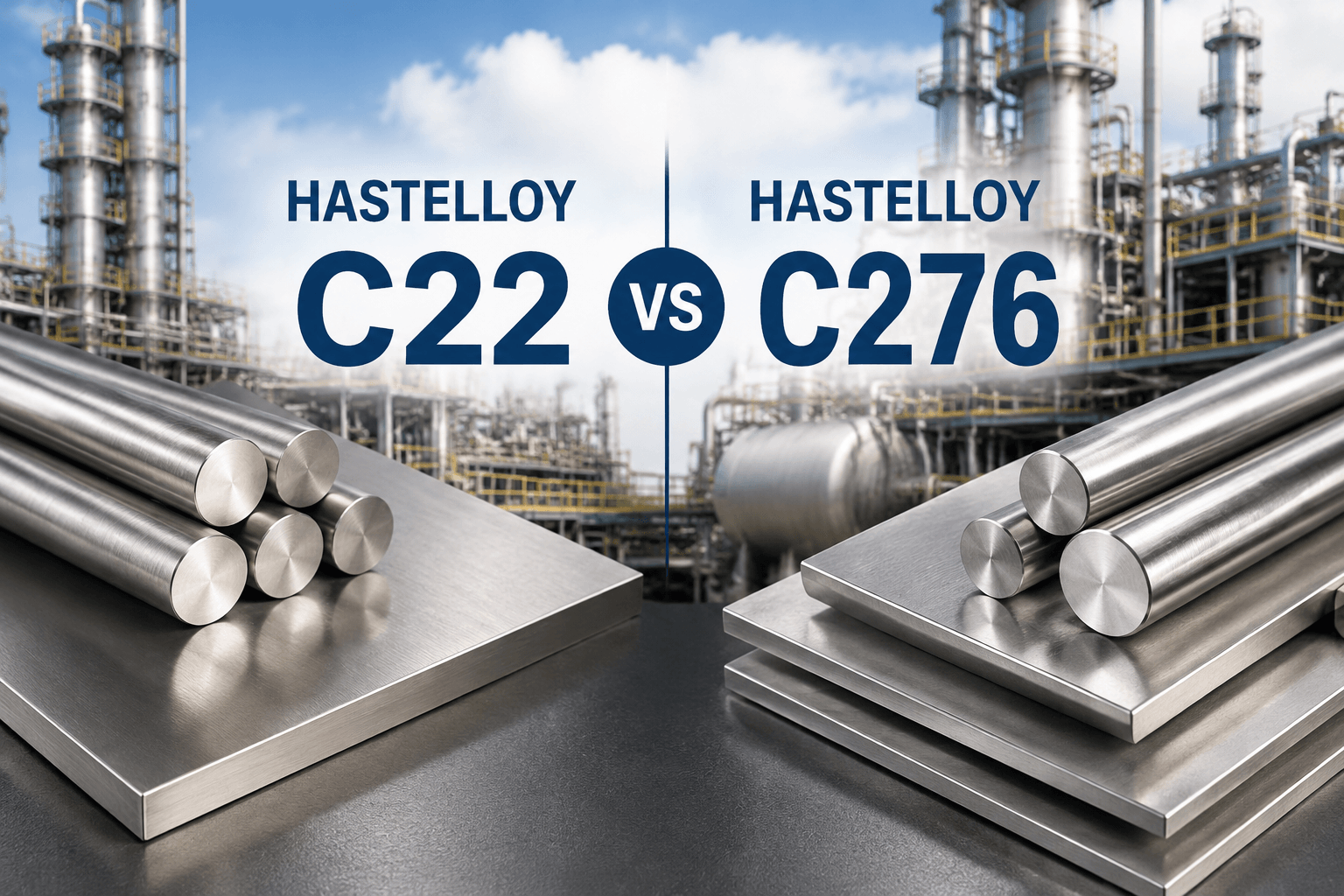
Introduction Hastelloy C22 and Hastelloy C276 are two widely used nickel-based corrosion-resistant alloys designed for demanding chemical processing and industrial environments. Although both alloys provide excellent corrosion resistance, their chemical composition and performance characteristics make them suitable for different applications. Selecting between... Read more »
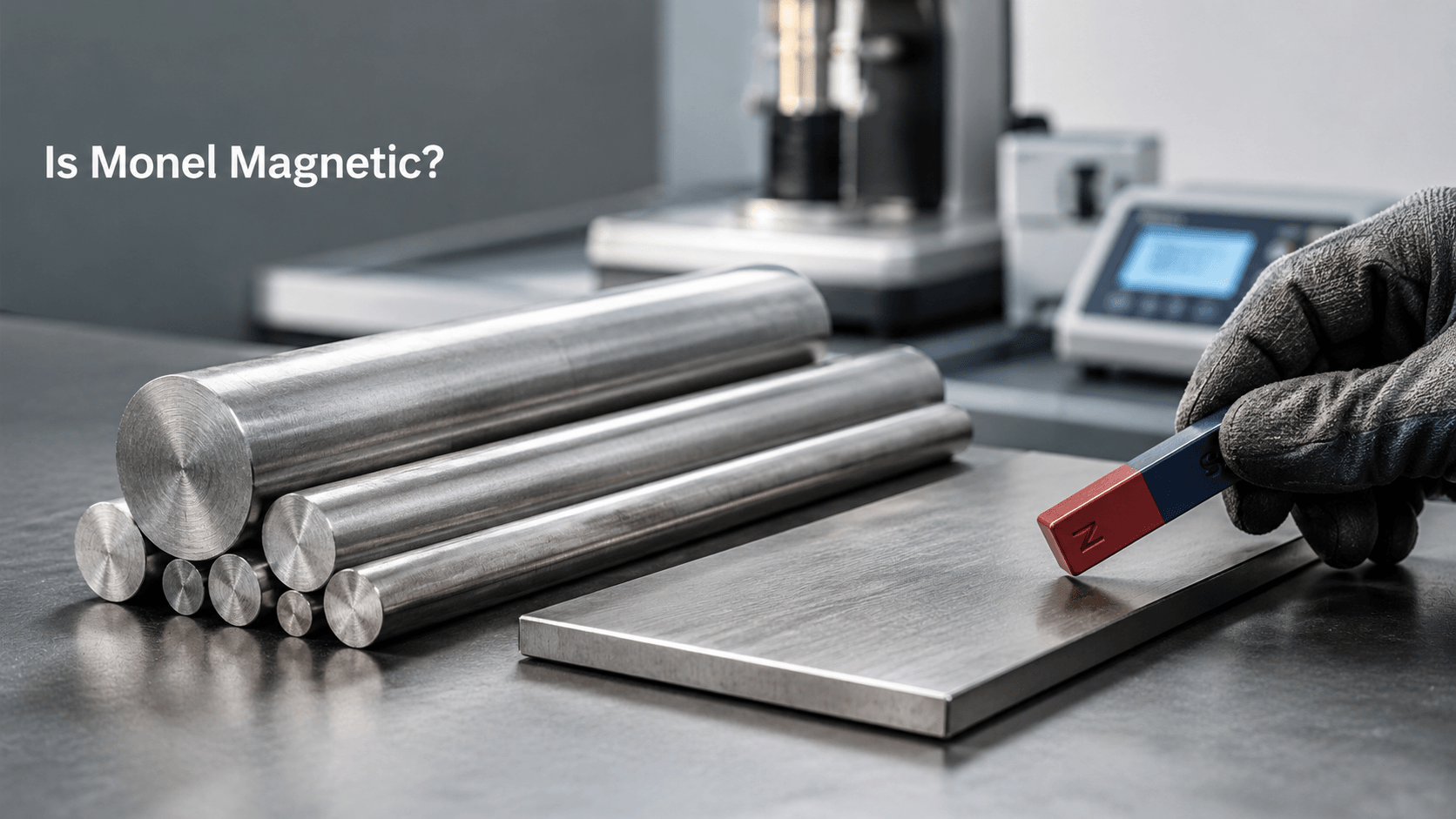
Introduction Monel is a nickel-copper alloy family known for its excellent corrosion resistance, especially in marine and chemical environments. One common question from engineers and buyers is whether Monel is magnetic. Monel is generally considered a non-magnetic or weakly magnetic material. However,... Read more »
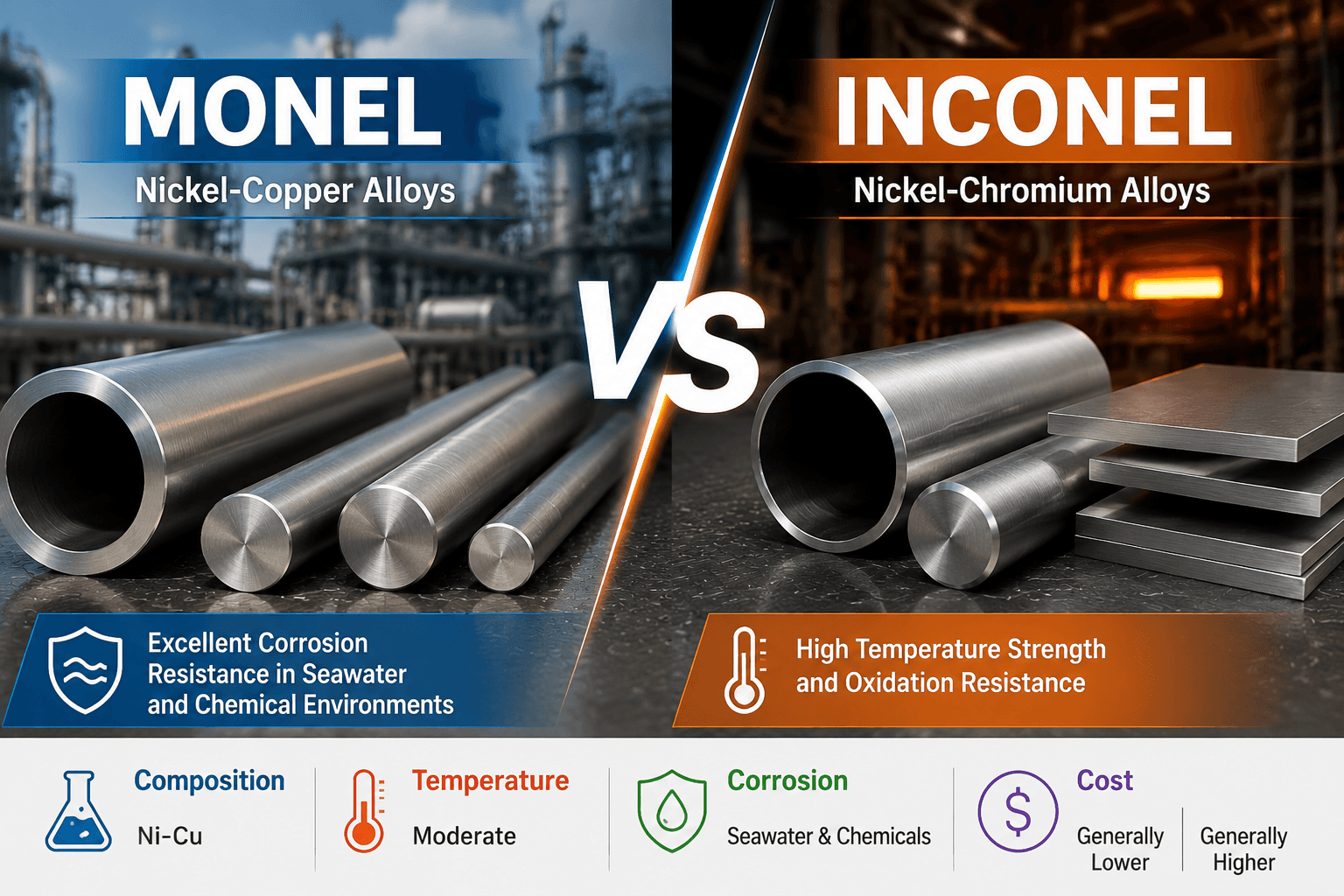
Introduction Monel and Inconel are two important families of nickel-based alloys widely used in demanding industrial environments. Although both provide excellent corrosion resistance, they are designed for different service conditions. The main difference between Monel and Inconel is their alloy composition and... Read more »
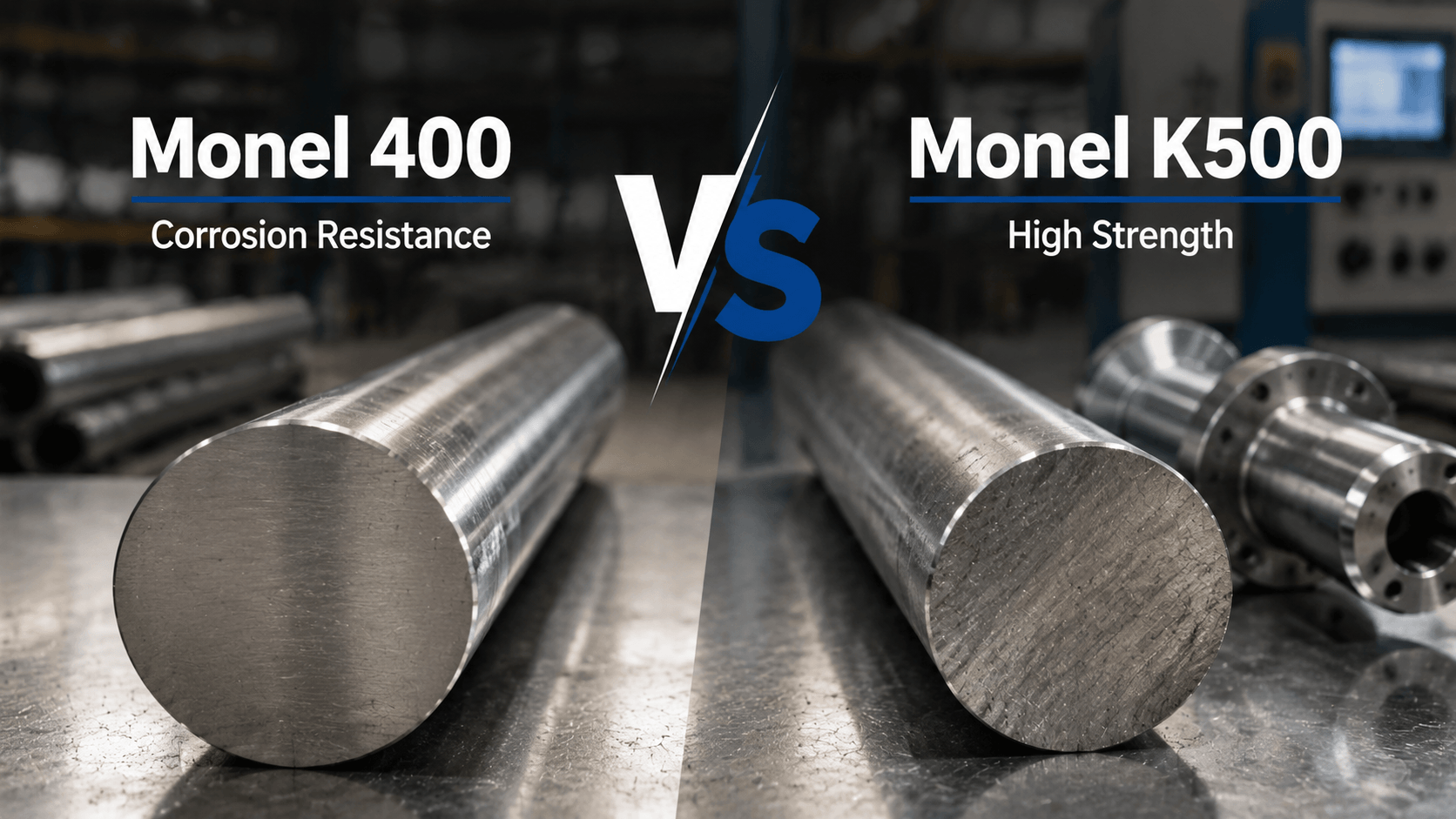
Introduction Monel 400 and Monel K500 are two important nickel-copper alloys widely used in marine, chemical processing and industrial applications. Although both alloys provide excellent corrosion resistance, their mechanical properties and strengthening methods are significantly different. The main difference between Monel 400... Read more »
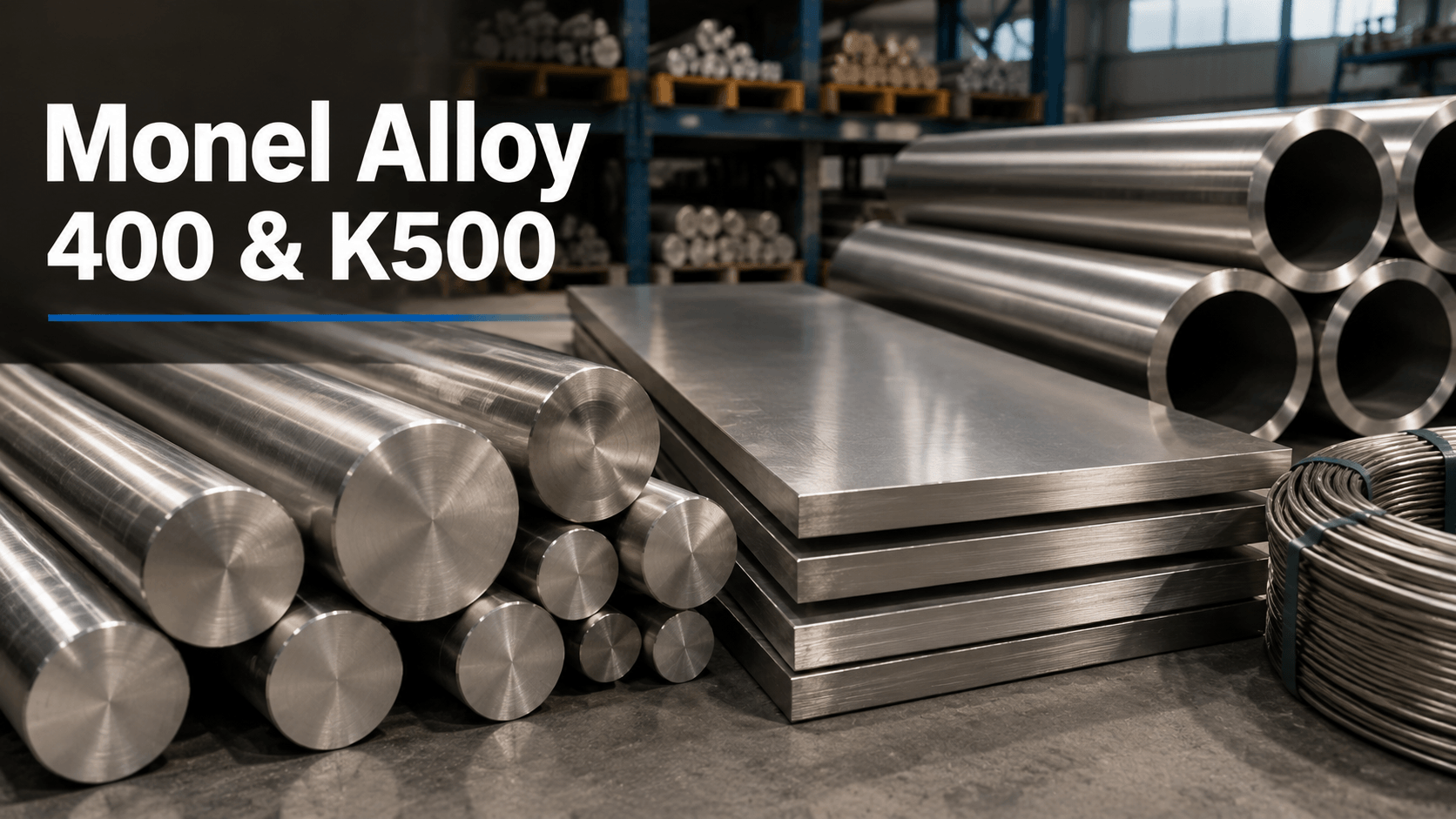
Introduction Monel is a group of nickel-copper alloys known for excellent corrosion resistance, good mechanical properties and reliable performance in demanding industrial environments. Unlike conventional stainless steels, Monel alloys are specifically designed for applications where resistance to seawater, chemical solutions and harsh... Read more »
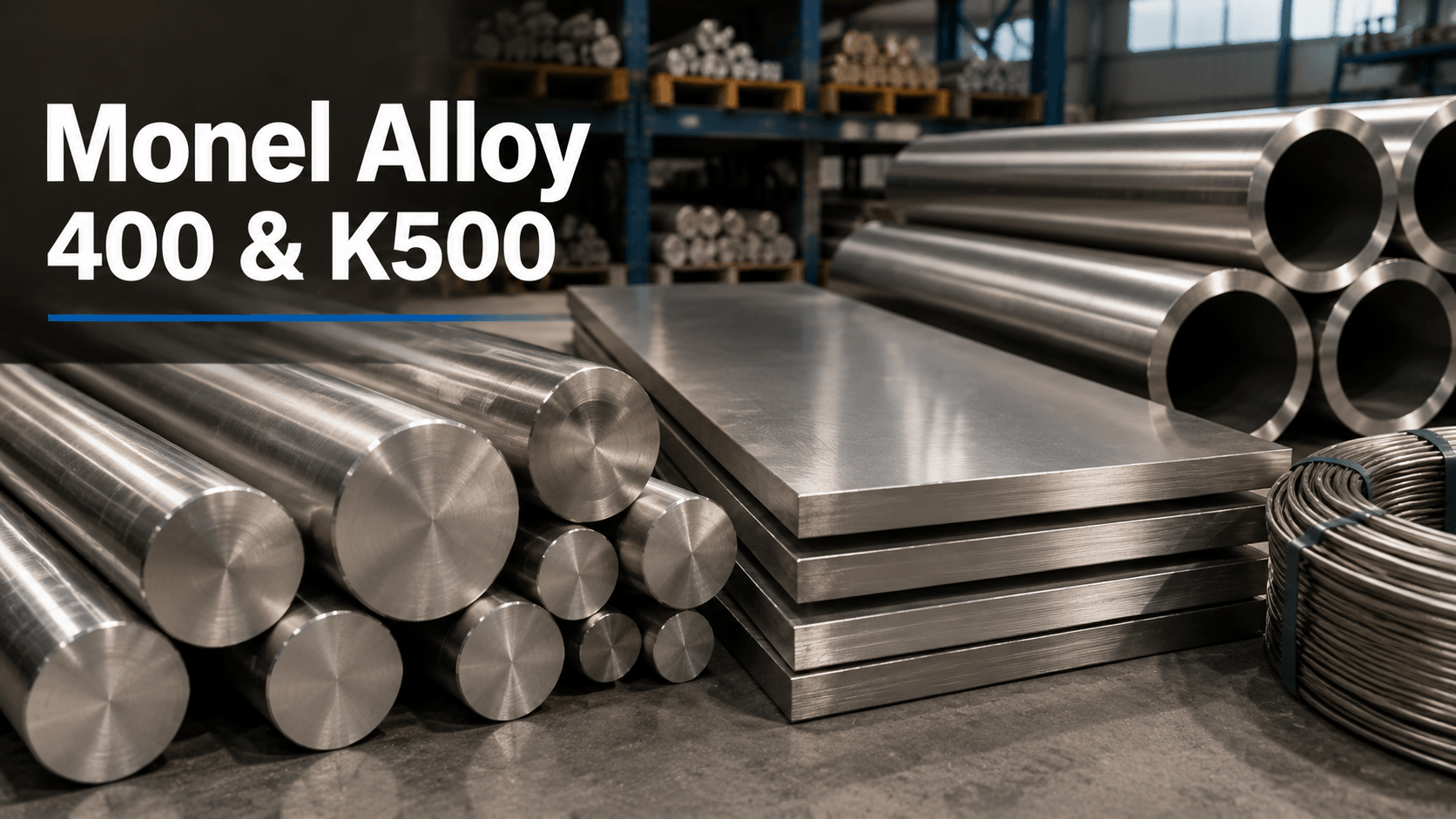
Monel Alloy Monel is a group of nickel-copper alloys known for excellent corrosion resistance, good mechanical properties and reliable performance in marine, chemical and industrial environments. The most commonly used Monel grades include Monel 400 and Monel K500. While Monel 400 provides... Read more »
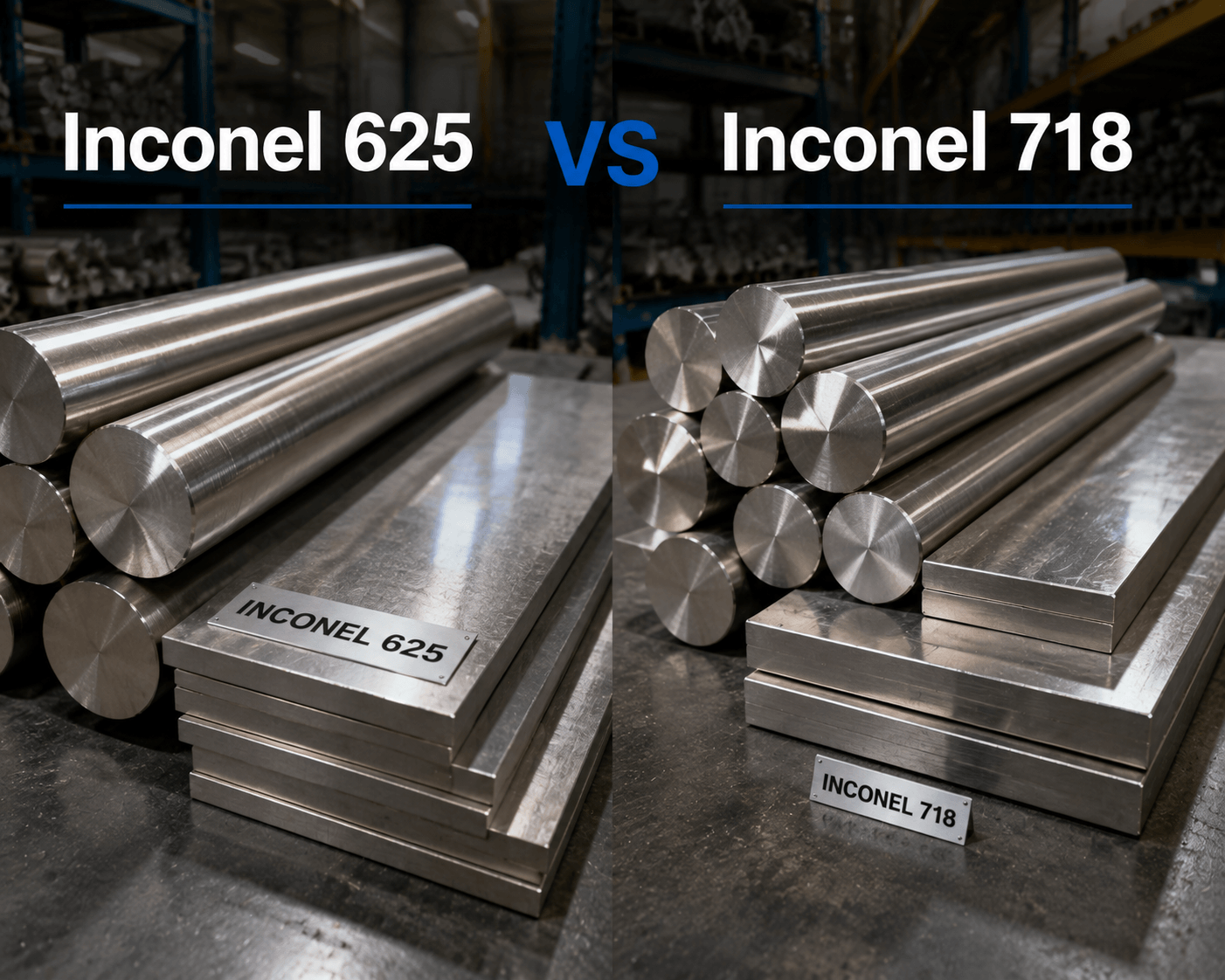
Introduction Inconel 625 and Inconel 718 are two widely used nickel-based superalloys known for their excellent strength, corrosion resistance and high-temperature performance. Although both belong to the Inconel family, their alloy composition and engineering advantages make them suitable for different applications. Inconel... Read more »
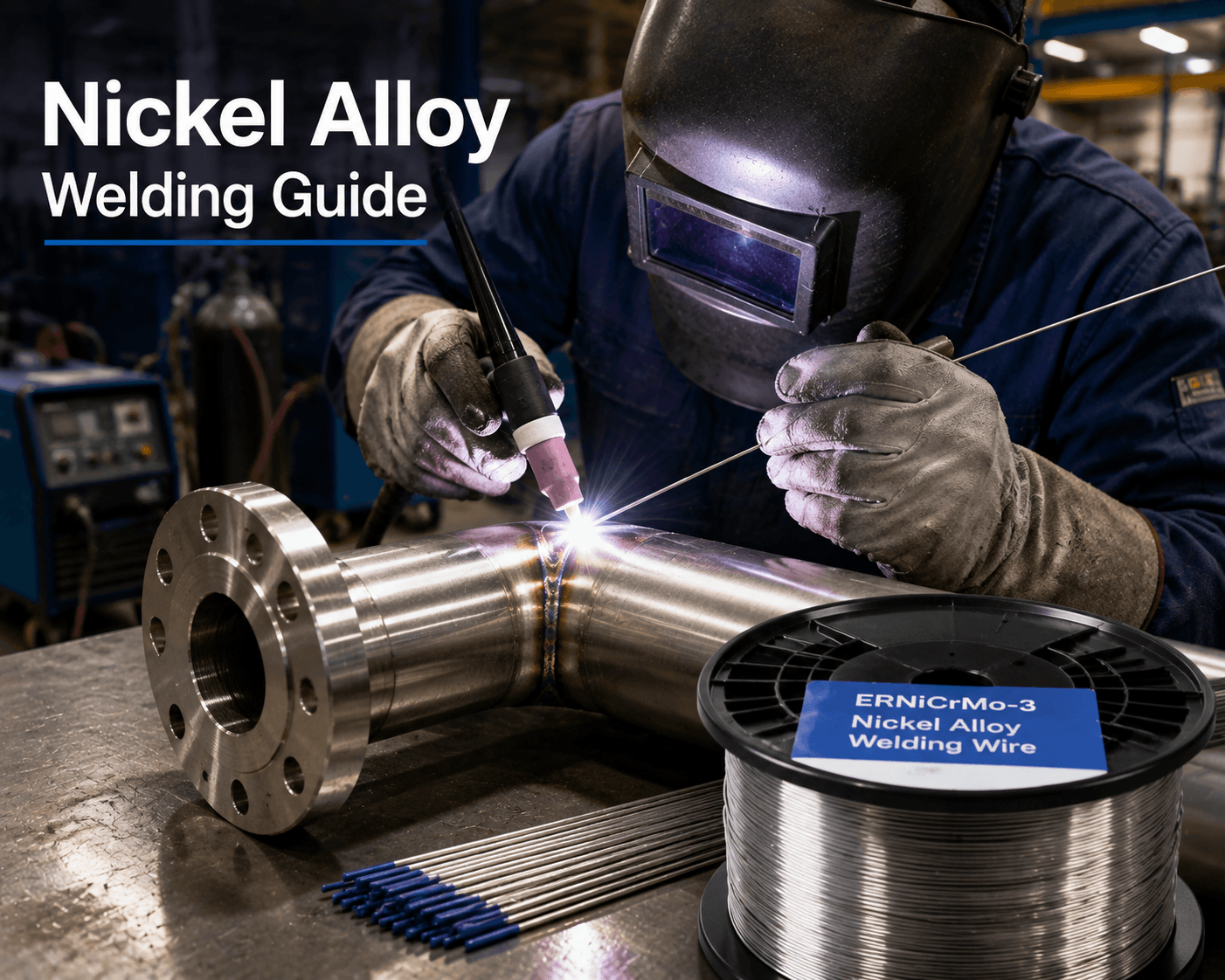
Introduction Nickel alloy welding and fabrication require specialized knowledge because nickel-based materials are designed to maintain strength, corrosion resistance and stability under demanding service conditions. Nickel alloys are widely used in aerospace, chemical processing, marine engineering, power generation and high-temperature equipment due... Read more »
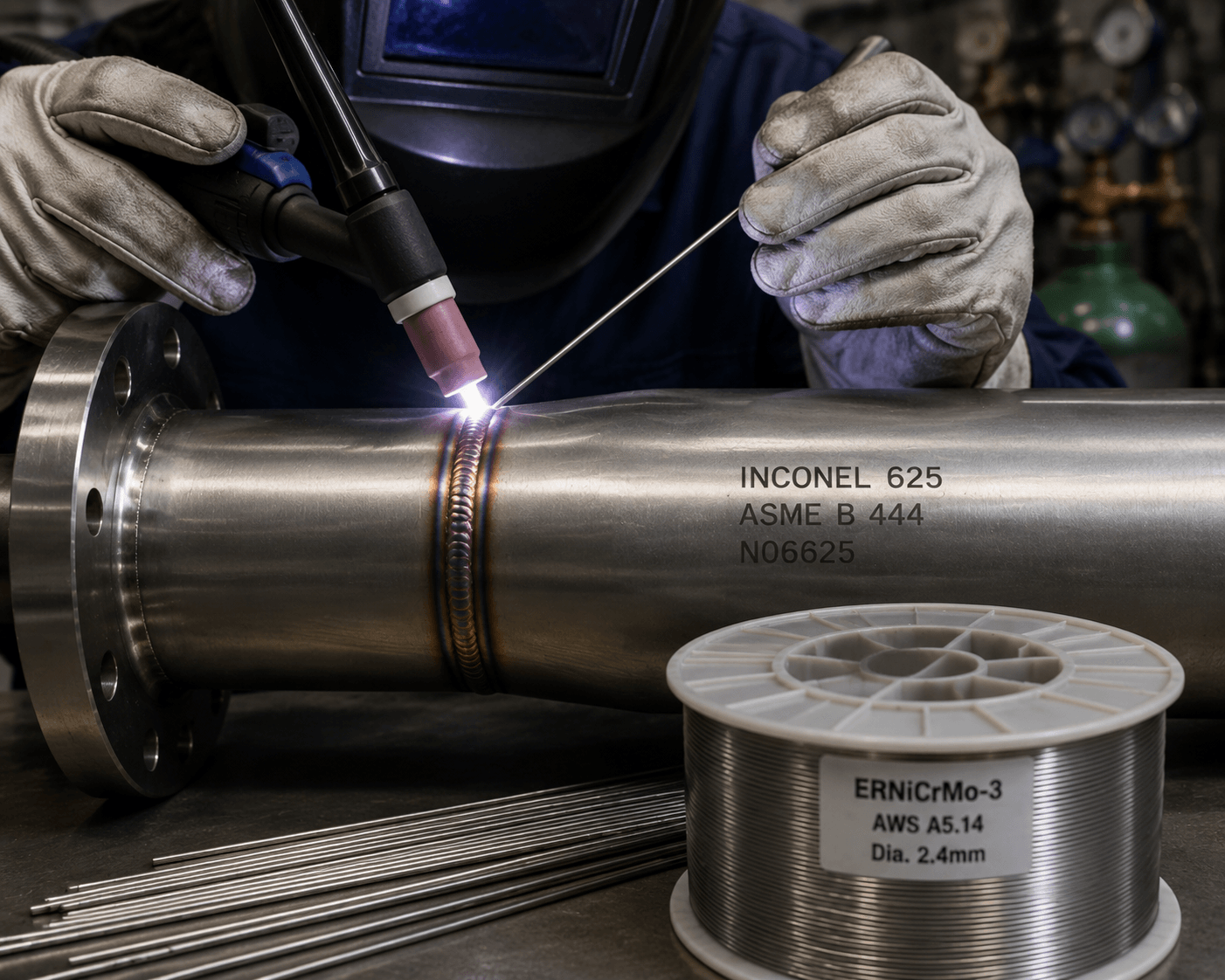
Introduction Inconel welding requires specialized techniques because nickel-based superalloys are designed to maintain strength, corrosion resistance and stability under extreme conditions. Unlike conventional stainless steels, Inconel alloys have unique metallurgical characteristics, including high nickel content, excellent heat resistance and sensitivity to welding... Read more »