Inconel 600 and Inconel 601 are nickel-chromium alloys used in elevated-temperature and corrosive environments. Their names are similar, but the addition of aluminum in Alloy 601 changes oxide-scale behavior and often makes it the preferred option for severe cyclic oxidation. Alloy 600... Read more »
Hastelloy B3 and Hastelloy C276 are nickel-based corrosion-resistant alloys, but they are designed for different chemical environments. B3 is principally selected for strongly reducing media, while C276 provides broader resistance across reducing and oxidizing conditions. Choosing between them requires more than comparing... Read more »
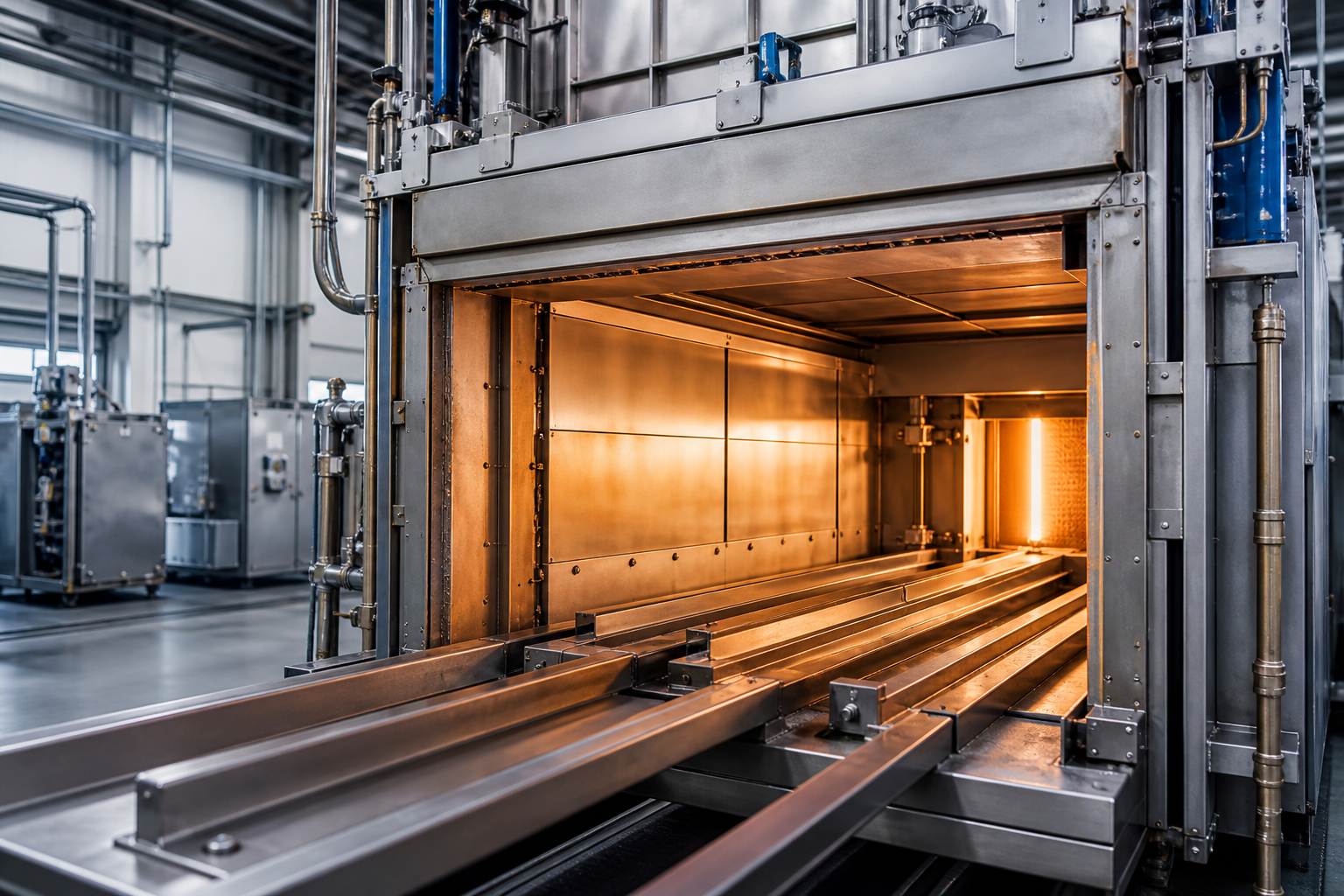
Incoloy 800H and Incoloy 800HT are closely related nickel-iron-chromium alloys designed for elevated-temperature service. Because their UNS designations, chemistry limits and heat-treatment requirements overlap, buyers sometimes treat them as interchangeable. For pressure equipment, furnace parts and creep-critical components, that assumption can create... Read more »
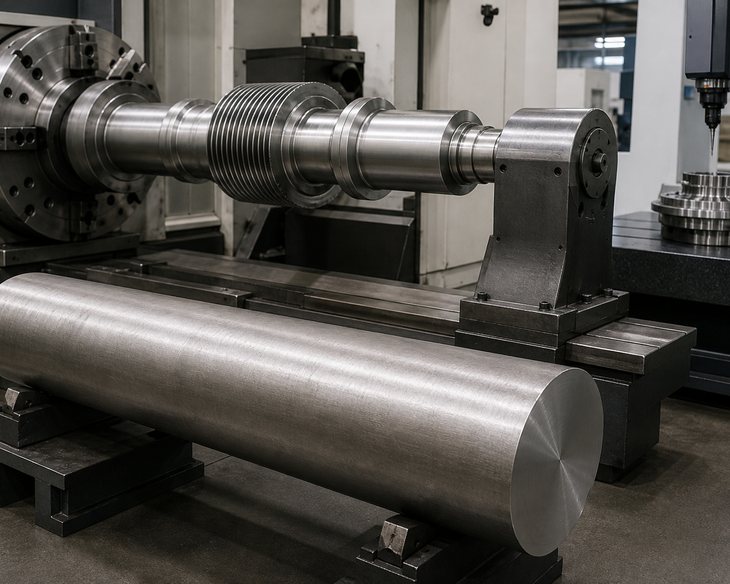
Inconel 706 and Inconel 718 are precipitation-hardening nickel alloys used where strength must be retained at elevated temperature. They may appear in similar component families, but their chemistry, heat-treatment response, segregation behavior and manufacturing priorities are different. Material selection should therefore begin... Read more »
Introduction Inconel is a family of nickel-chromium-based superalloys designed for extreme industrial environments where high temperature strength, oxidation resistance and corrosion resistance are required. Different Inconel grades are developed for different engineering requirements. Some grades focus on corrosion resistance, while others provide... Read more »
Introduction Incoloy 800H and Inconel 706 are both nickel-containing high-performance alloys used in demanding industrial environments, but they are designed for completely different engineering purposes. The key selection factor is not only alloy chemistry, but also component function, product form and service... Read more »
Introduction Invar and Kovar are two specialized nickel-based low expansion alloys designed for applications where controlled thermal expansion is critical. Although both materials contain iron and nickel and provide excellent dimensional stability, they are developed for different engineering purposes. Invar is mainly... Read more »
Introduction Invar tooling is widely used in composite manufacturing because of its extremely low coefficient of thermal expansion and excellent dimensional stability during repeated heating and cooling cycles. For industries such as aerospace, automotive composites and advanced manufacturing, maintaining precise tool dimensions... Read more »
Introduction Invar is a nickel-iron alloy famous for its extremely low coefficient of thermal expansion (CTE). Unlike most metals that expand noticeably when heated, Invar maintains excellent dimensional stability within a specific temperature range, making it an important material for precision engineering... Read more »
Introduction Invar is a nickel-iron alloy well known for its extremely low coefficient of thermal expansion (CTE). Unlike conventional metals that expand noticeably when temperature changes, Invar maintains excellent dimensional stability over a certain temperature range, making it an important material for... Read more »
Introduction Inconel 625 and Inconel 718 are two of the most widely used nickel-based superalloys for high-temperature, aerospace, chemical processing and demanding industrial applications. Although both alloys provide excellent corrosion resistance and mechanical performance, they are designed for different operating conditions. Inconel... Read more »
Introduction Aluminium alloy does not rust like iron or steel, but it can still experience corrosion under certain environmental conditions. Instead of forming iron oxide rust, aluminium naturally develops a thin oxide film that protects the surface from further oxidation. The corrosion... Read more »