ASTM B575/B574/B622 Hastelloy C-4 UNS N06455
Hastelloy C-4 / UNS N06455 Procurement Overview
Hastelloy C-4 is a nickel-chromium-molybdenum corrosion-resistant alloy distinguished by strong thermal stability around welded heat-affected zones. Its low carbon and silicon levels help limit grain-boundary precipitation after welding or intermediate-temperature exposure, while chromium and molybdenum support resistance in aggressive acids and chloride-bearing environments.
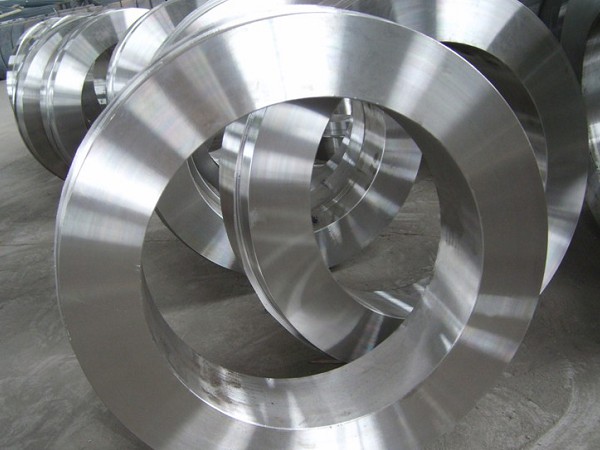
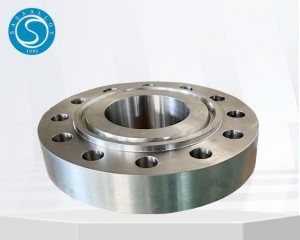
SASA Alloy supplies C-4 in plate, sheet, strip, bar, pipe, tube, fittings and welding-consumable routes. For a quotation, state the product form, governing specification and edition, dimensions, condition, quantity, inspection, certificate and destination requirements.
Grade: Hastelloy C-4 / UNS N06455 / W.Nr. 2.4610
Standards: ASTM B575 / B574 / B622 / B619 / B626 / B366
Surface: Mill, pickled, descaled, bright, peeled, ground, polished or machined by product form
Diameter: Bar, pipe and tube dimensions to the ordered product-form standard and RFQ
Product Forms and Specifications
| Product form | Common ASTM / ASME route | Dimensions to state in the RFQ |
|---|---|---|
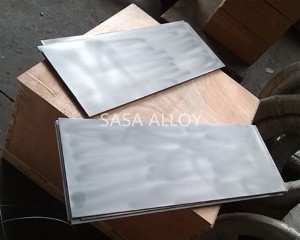
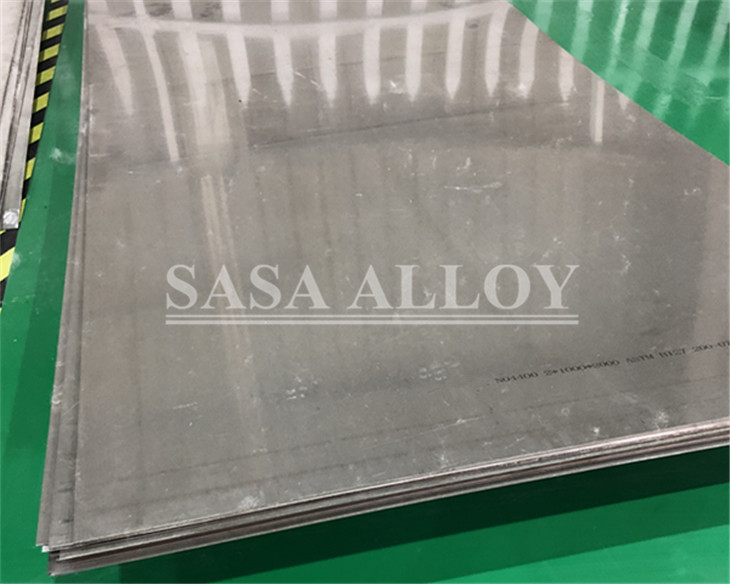
| Plate, sheet and strip | ASTM B575 / ASME SB-575 | Thickness × width × length, or strip thickness × width × coil requirement |
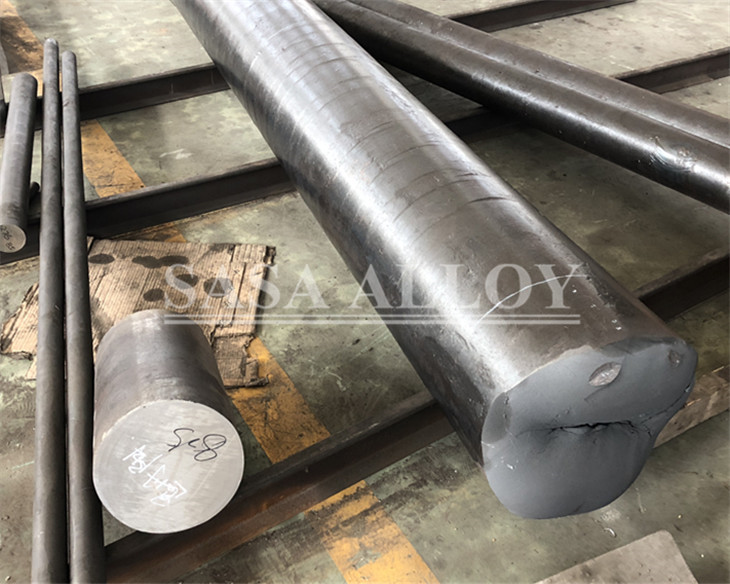
| Billet, rod and bar | ASTM B574 / ASME SB-574 | Diameter or section, length, tolerance and surface finish |
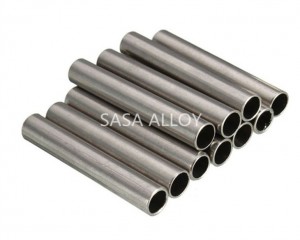
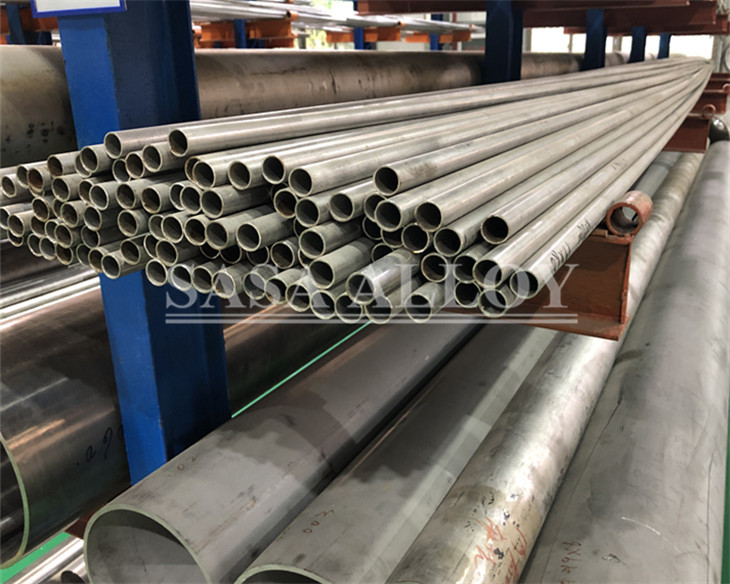
| Seamless pipe and tube | ASTM B622 / ASME SB-622 | OD or NPS, wall thickness or schedule, length, ends and dimensional tolerance |
| Welded pipe | ASTM B619 / ASME SB-619 | OD or NPS, wall, length, weld examination and supplementary testing |
| Welded tube | ASTM B626 / ASME SB-626 | OD, wall, length, dimensional tolerance and examination class |
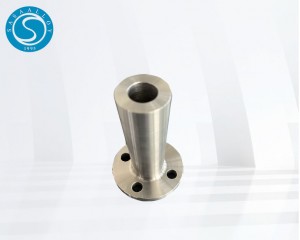
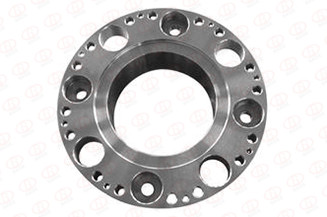
| Fittings | ASTM B366 / ASME SB-366 | Fitting type, size, schedule or class, dimensions and construction route |
| Welding consumables | ERNiCrMo-7 / ENiCrMo-7 routes | Welding process, classification edition, diameter and package |
The selected specification must match the ordered product form. Equivalent names do not make different product standards interchangeable.
Grade Identification and Delivery Condition
| Common designation | Hastelloy C-4 / Alloy C-4 |
|---|---|
| UNS number | UNS N06455 |
| European reference | W.Nr. 2.4610 / NiMo16Cr16Ti |
| Typical wrought condition | Mill / solution annealed unless the purchase specification states otherwise |
| Surface options | Pickled or descaled, bright, peeled, turned, ground, polished or machined according to product form |
| Traceability | Heat or lot identification and document requirements to be stated on the purchase order |
Reference Chemical Composition
| Ni | Cr | Mo | Fe | Co | Mn | Ti | Si | C | Cu |
|---|---|---|---|---|---|---|---|---|---|
| Balance; nominally about 65 | Nominally 16 | Nominally 16 | ≤3.0 | ≤2.0 | ≤1.0 | ≤0.70 | ≤0.08 | ≤0.01 | ≤0.50 |
Reference manufacturer composition in weight percent. The ordered specification, required edition and certified heat analysis govern acceptance.
Typical Mechanical and Physical Data
| Example form and condition | 0.2% yield strength (MPa) | Tensile strength (MPa) | Elongation (%) |
|---|---|---|---|
| Mill-annealed sheet, 1.7 mm, room temperature | 416 | 768 | 52 |
| Mill-annealed sheet, 4.0 mm, room temperature | 365 | 783 | 55 |
| Mill-annealed plate, 6.3 mm, room temperature | 336 | 767 | 58 |
| Density at room temperature | 8.64 g/cm³ |
|---|---|
| Thermal conductivity at room temperature | 10.1 W/m·°C |
| Dynamic modulus at room temperature | 212 GPa |
These are typical manufacturer test examples, not universal minimum values. Product-form specification, thickness, condition and certified test results control purchase acceptance. Technical reference: Haynes International HASTELLOY C-4 alloy brochure.
Why Thermal Stability Matters
C-4 was developed to reduce the formation of damaging grain-boundary precipitates during welding and intermediate-temperature exposure. This supports retention of corrosion resistance in welded heat-affected zones and can simplify fabrication of chemical-process equipment.
The frequently cited 650–1040°C range describes precipitation and microstructural-stability behavior; it is not a blanket allowable service-temperature range. Design temperature must be reviewed against the actual medium, concentration, impurities, pressure, stress, product form, governing code and corrosion data.
Wrought products are normally supplied mill / solution annealed. Published manufacturer guidance uses approximately 1066°C followed by rapid cooling for solution annealing, but the ordered product specification and approved fabrication procedure must control production and re-annealing.
Hastelloy C-4 vs C-276
| Selection point | C-4 | C-276 |
|---|---|---|
| Distinguishing discussion | Thermal stability and resistance to sensitization around welding | Broad established use across many aggressive mixed chemical environments |
| Can the grade name decide? | No; process medium and fabrication route are required | No; the same engineering review is required |
| Substitution | Not automatic. Any substitution requires project, specification and corrosion-service approval. | |
Applications and Service Information
Acid-handling and mixed corrosive process equipment after medium-specific review.
Scrubber and chloride-bearing equipment where weld-zone stability is important.
Components exposed to aggressive acid and chloride environments.
Fabricated equipment requiring corrosion-resistant wetted materials.
For material review, include the process medium, concentration, operating and upset temperature, pressure, impurities, cleaning cycle, fabrication route and expected corrosion allowance. Application examples do not establish universal suitability.
Inspection, Testing and Documentation
Inspection and documentation are quoted according to the purchase order. Available requirements can include:
Ordering Checklist
- Grade: Hastelloy C-4 / UNS N06455 / W.Nr. 2.4610
- Product form and governing ASTM / ASME specification with edition
- Complete dimensions, tolerance, length and quantity
- Required heat-treatment condition and surface finish
- Inspection, testing, certificate and traceability requirements
- Processing, end preparation or machining allowance
- Destination, packing, marking and required delivery date
Frequently Asked Questions
Is Hastelloy C-4 the same as UNS N06455?
They identify the same alloy family. The purchase order must still state the product form, governing specification, edition, dimensions and acceptance requirements.
Is 1040°C the maximum service temperature of C-4?
No. The commonly cited temperature range relates to precipitation behavior and thermal stability. Allowable service conditions require review of environment, stress, pressure, product form and governing code.
Which standard applies to C-4 plate, bar or pipe?
ASTM B575 commonly covers plate, sheet and strip; ASTM B574 covers rod and bar; ASTM B622 covers seamless pipe and tube. Welded pipe, welded tube and fittings use separate product-form specifications.
Can C-4 replace C-276?
Not automatically. Chemistry, corrosion behavior, thermal history and specification routes differ. Substitution requires engineering and project approval.
What should be included in a Hastelloy C-4 enquiry?
Send the grade, product standard and edition, product form, dimensions, condition, quantity, inspection, certificate, service information and delivery destination.