INCONEL Alloy N06230 Round Bar | Alloy 230 Bar
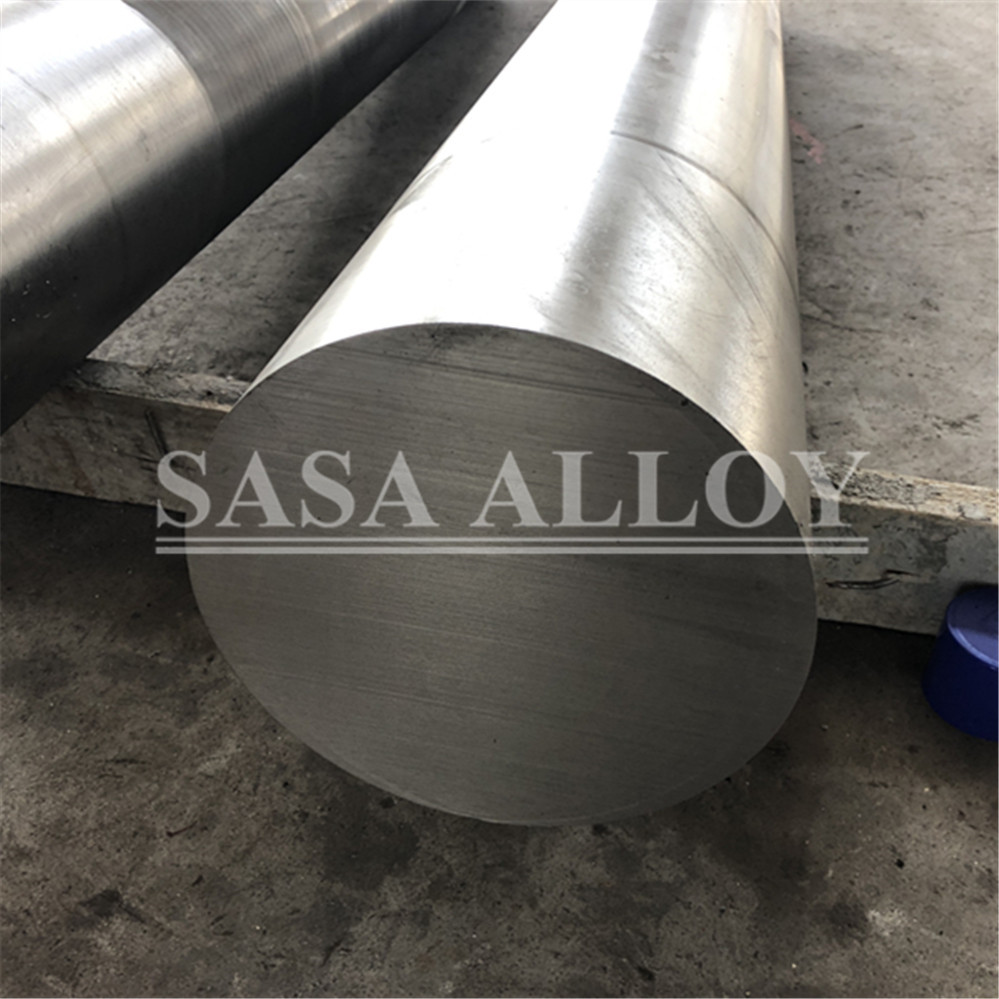
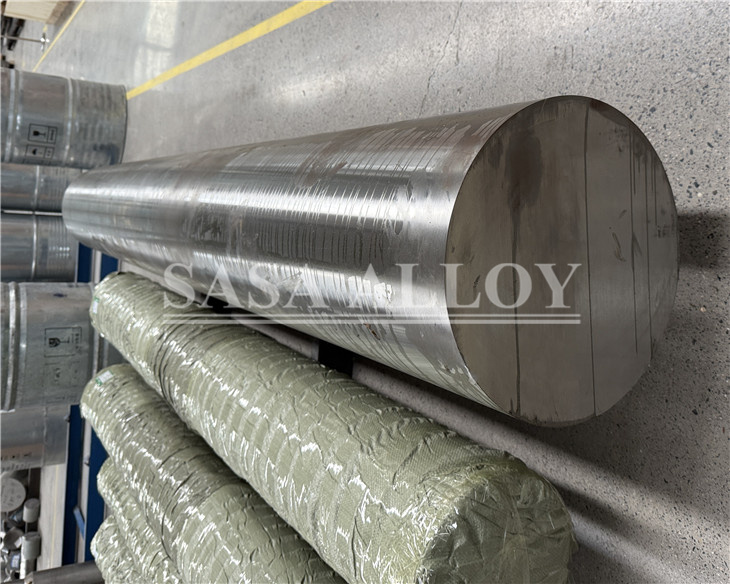
Alloy 230 round bar is a nickel-chromium-tungsten-molybdenum alloy bar identified as UNS N06230 and W.Nr. 2.4733. It is considered for machined or forged high-temperature components where oxidation resistance, structural stability and resistance to carburizing or nitriding atmospheres must be evaluated together.
For an accurate quotation, state the governing standard, diameter, length, heat-treatment condition, surface finish, tolerance, quantity and required inspection. ASTM B572 and AMS 5891D do not have identical product-form boundaries, so the standard should be confirmed before price comparison.
Product Identification and Procurement Snapshot
| Product | Alloy 230 round bar / rod |
|---|---|
| Material designation | Alloy 230 / UNS N06230 / W.Nr. 2.4733 |
| Primary bar or rod standards | ASTM B572; SAE AMS 5891D |
| Typical ordered condition | Solution heat treated; exact condition and cooling practice must follow the order specification |
| Surface options | Hot or cold finished, pickled or mechanically descaled, ground, or turned as permitted by the applicable standard and ordered size |
| RFQ essentials | Standard edition, diameter, length, tolerance, condition, surface, quantity, testing, marking and documentation |
Why Alloy 230 Is Different
Alloy 230 is not simply another general-purpose nickel alloy bar. Its engineering identity comes from the interaction of chromium with a high tungsten level, molybdenum and controlled carbon, boron and lanthanum additions. This chemistry supports three purchasing considerations:
- High-temperature corrosion: chromium and the lanthanum micro-addition support protective scale behavior in oxidizing service.
- Carburizing and nitriding atmospheres: the alloy is used where resistance to carbon- or nitrogen-bearing furnace environments matters.
- Strength and stability at temperature: tungsten, molybdenum and carbide strengthening make creep and stress-rupture behavior relevant to material selection.
Suitability still depends on the complete atmosphere, temperature cycle, stress, section size and fabrication route. The grade name alone is not enough to approve a component.
ASTM B572 Diameter Boundary
This is the key procurement check for this product. ASTM B572 covers N06230 rod in defined diameter and finishing ranges; it should not be used as a blanket specification for every large forged bar.
| Ordered diameter | ASTM B572 scope noted by ASTM | Procurement action |
|---|---|---|
| 7.94 mm to under 19.05 mm | Hot- or cold-finished, solution annealed, pickled or mechanically descaled rod | State finish, tolerance and required edition of ASTM B572 |
| 19.05 mm to 88.9 mm inclusive | Hot- or cold-finished, solution annealed, ground or turned rod | State final surface and machining allowance |
| Outside 7.94–88.9 mm | Not automatically covered by the cited ASTM B572 rod size scope | Confirm AMS 5891D, a forging specification or an agreed project specification before ordering |
Chemical Composition — Standard Limiting Range
The values below are specification limits for UNS N06230, not a certificate from a supplied heat. The actual heat analysis must be taken from the material certificate for the order.
| Element | Limit, % | Role in product selection |
|---|---|---|
| Nickel | Balance | Base of the austenitic alloy system |
| Chromium | 20.0–24.0 | High-temperature corrosion and oxidation resistance |
| Tungsten | 13.0–15.0 | High-temperature solid-solution and carbide strengthening |
| Molybdenum | 1.0–3.0 | Contributes to strength and corrosion behavior |
| Carbon | 0.05–0.15 | Supports carbide strengthening |
| Lanthanum | 0.005–0.050 | Micro-addition associated with oxidation-scale performance |
| Iron | 3.0 max. | Controlled residual or alloying content |
| Cobalt | 5.0 max. | Controlled content |
| Aluminum | 0.20–0.50 | Controlled alloy addition |
| Silicon | 0.25–0.75 | Controlled alloy addition |
| Manganese | 0.30–1.00 | Controlled alloy addition |
| Boron | 0.015 max. | Controlled for creep behavior |
Typical Physical Data — Not Lot Test Results
| Property | Manufacturer typical value | Status |
|---|---|---|
| Density | 8.91 g/cm³ | Typical reference |
| Melting range | 1360–1410°C | Typical reference |
| Young's modulus at about 22°C | 211.5 GPa | Typical reference |
Important: Mechanical acceptance values depend on the governing product specification, size and ordered condition. Do not treat plate data or generic online values as the guaranteed properties of a particular bar. Order-specific results belong on the MTC or test report.
Alloy 230 vs Other High-Temperature Nickel Alloys
| Alloy | Primary decision focus | What the buyer should compare |
|---|---|---|
| Alloy 230 / N06230 | High-temperature strength plus oxidation, carburization and nitridation resistance | Atmosphere, peak temperature, thermal cycling, load and product standard |
| Alloy 617 / N06617 | High-temperature pressure and structural service with established code use | Design-code approval, allowable stress and fabrication route |
| Alloy X / N06002 | High-temperature fabricability and gas-turbine or furnace components | Strength requirement, oxidation environment and weld procedure |
| Alloy 601 / N06601 | Oxidation-resistant furnace and thermal-processing service | Required load-bearing strength, atmosphere and fabrication cost |
This table is a screening guide, not an equivalence statement. Final selection should be based on the design code, service environment and component stress analysis.
Heat Treatment, Machining and Fabrication
Solution heat treatment
Alloy 230 is normally used in the solution-annealed condition. Published guidance identifies approximately 1175–1230°C followed by water quenching or rapid air cooling, with the exact cycle determined by section size and the governing specification. The purchase order should state whether heat treatment is required on the finished bar, forging stock or machined component.
Machining
The alloy work hardens. Use rigid setups, sharp tools and a feed and depth of cut that avoid surface rubbing or burnishing. Machining allowance should be agreed when ordering black, turned, peeled or ground material.
Welding and downstream fabrication
Bar selection should account for the final fabrication route. If the machined bar will be welded into a high-temperature assembly, include the joint type, matching or dissimilar base metal, service temperature and applicable procedure qualification in the engineering review.
Typical Component Uses
| Industry or equipment | Possible bar-derived component | Selection question |
|---|---|---|
| Heat-treatment equipment | Fixture parts, supports, shafts and fastener stock | Oxidizing, carburizing or nitriding atmosphere? |
| Petrochemical and thermal processing | Machined supports, connectors and hot-zone hardware | Continuous temperature, peak temperature and stress? |
| Gas-turbine systems | High-temperature machined hardware | Cyclic exposure, drawing tolerance and approved specification? |
| Ore and metal refining | Furnace and hot-process components | Gas chemistry, deposits and thermal cycling? |
Inspection and Documentation to State on the Order
- Required standard and edition, including any project or drawing specification.
- Heat analysis and mechanical test requirements applicable to the ordered bar condition.
- Diameter, length, tolerance, straightness and surface acceptance criteria.
- Heat-treatment condition and whether additional component heat treatment is planned.
- PMI, ultrasonic examination or other supplementary testing only when required by the project.
- Material certificate type, heat-number traceability, marking and packaging instructions.
FAQ
Is Alloy 230 the same as UNS N06230?
UNS N06230 is the formal UNS designation commonly associated with Alloy 230. The purchase order should use the UNS number together with the applicable product standard to prevent grade-name ambiguity.
Does ASTM B572 cover every Alloy 230 bar diameter?
No. ASTM describes a rod diameter scope of 5/16 to 3 1/2 in. (7.94 to 88.9 mm), with finish requirements changing at 3/4 in. (19.05 mm). Larger or different product forms require confirmation of another applicable specification.
Which information is needed for a quotation?
Send the grade, standard and edition, diameter, length, quantity, heat-treatment condition, surface, tolerance, testing, certification, marking and delivery destination. Add a drawing when the bar will be supplied pre-machined.
Request an Alloy 230 Round Bar Review
Send your ASTM B572 or AMS 5891D requirement with diameter, length, condition, surface, quantity and inspection documents. We will review whether the requested product form and standard match before quotation.