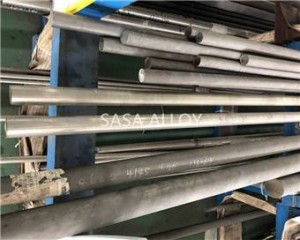
ASTM B574 INCONEL Alloy 686 UNS N06686 Round Bar and Rod
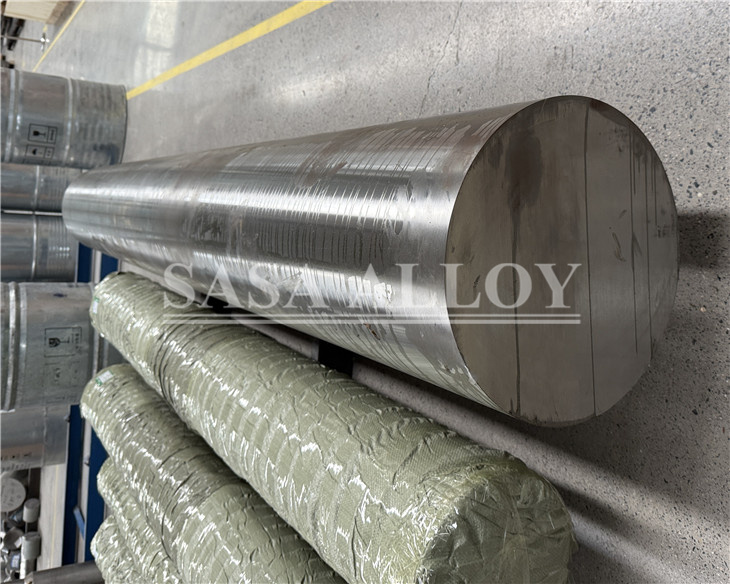
INCONEL alloy 686 round bar, identified as UNS N06686 / W.Nr. 2.4606, is a single-phase austenitic nickel-chromium-molybdenum-tungsten alloy developed for severe corrosion service. Its combination of nickel, chromium, molybdenum and tungsten supports resistance to reducing and oxidizing media together with strong resistance to pitting and crevice corrosion.
SASA ALLOY supplies Alloy 686 round bar and rod to ASTM B574 and project requirements. For an accurate quotation, state the diameter, length, solution-annealed or cold-worked condition, surface finish, quantity, inspection plan and certificate requirements.
Product Identification and Ordering Data
| Product | INCONEL alloy 686 round bar and rod |
|---|---|
| Material designation | Alloy 686 / UNS N06686 / W.Nr. 2.4606 / NiCr21Mo16W |
| Primary standard | ASTM B574 / ASME SB-574 for nickel alloy rod and bar |
| ASTM B574 dimensional scope | 6.35–88.9 mm diameter; larger forged or machined sections reviewed to the applicable product or project specification |
| Supply condition | Solution annealed; cold-worked grades when specified |
| Surface | Pickled, mechanically descaled, ground, turned or polished as ordered |
Why Alloy 686 Is Different
Alloy 686 is selected when a buyer needs broader corrosion resistance than a general-purpose nickel alloy. The grade is distinguished by its high molybdenum content together with tungsten and controlled iron and carbon.
- Mixed corrosion mechanisms: nickel supports resistance in reducing conditions, chromium supports resistance to oxidizing media, and molybdenum plus tungsten improve localized-corrosion resistance.
- Welded equipment: low carbon helps limit grain-boundary precipitation so corrosion resistance can be maintained in heat-affected zones when qualified procedures are used.
- Chloride-bearing service: the alloy is used where pitting, crevice corrosion and stress-corrosion cracking require careful material selection.
- Marine and pollution-control equipment: Alloy 686 is considered for seawater components, flue-gas desulfurization equipment, chemical-processing systems and waste-treatment equipment after service-condition review.
ASTM B574 Bar Conditions
| Diameter range | Typical ASTM B574 condition | RFQ note |
|---|---|---|
| 7.94 to under 19.05 mm | Solution annealed and pickled or mechanically descaled | State straightness, cut length and surface requirements |
| 19.05–88.9 mm | Solution annealed, ground or turned | State machining allowance and diameter tolerance |
| 6.35–88.9 mm cold-worked N06686 | Solution annealed, cold worked, ground or turned according to the ordered grade | Mechanical-property grade must be stated on the purchase order |
The range above describes the ASTM B574 scope. It is not a statement of current stock. Availability, minimum order quantity and production route are confirmed against each inquiry.
Inspection and Documentation
- EN 10204 3.1 material test certificate or agreed equivalent.
- Heat number, chemical analysis and mechanical-property traceability.
- Dimensional and visual inspection, including diameter, length, straightness and surface condition.
- PMI testing, ultrasonic testing and third-party inspection when specified in the purchase order.
- Intergranular, pitting or other corrosion testing only when an applicable method and acceptance criterion are stated.
Test results and certificates apply to the identified heat or lot. They should not be treated as blanket results for every Alloy 686 bar.
Machining, Fabrication and Applications
Alloy 686 work-hardens during machining and cold forming. Tooling, cutting speed, feed, coolant and machining allowance should be selected for high-nickel corrosion-resistant alloys. Hot forming and solution annealing must follow a qualified route, and welding consumables should be selected for the service environment and joint design.
Typical applications include chemical-process shafts and valve components, fastener or bolting stock, marine hardware, scrubber and flue-gas-desulfurization components, heat-exchanger parts, pumps and equipment exposed to aggressive mixed-acid or chloride-bearing media. Final material selection remains the responsibility of the project engineer because concentration, temperature, pressure, contaminants and fabrication condition affect corrosion performance.
Packing and Buyer Information
Round bars can be protected with foam or waterproof wrapping and secured in wooden cases or bundles according to size and transport method. Package marking can include grade, specification, heat number, dimensions, quantity and purchase-order reference.
For quotation, send: Alloy 686 / UNS N06686, ASTM B574 edition, diameter, length, condition, finish, tolerance, quantity, testing, certificate and delivery destination.
FAQ
What is the UNS number for Alloy 686?
The UNS designation is N06686, and the commonly referenced Werkstoff number is 2.4606.
What standard covers Alloy 686 round bar?
ASTM B574 covers N06686 rod and bar for general corrosive service. The order should also identify condition, dimensions, finish, testing and any project-specific requirements.
Is the photographed bar proof of the alloy grade?
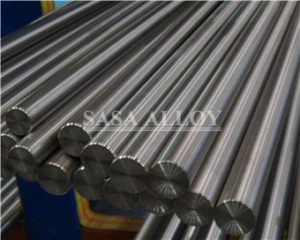
Product-form photographs illustrate round-bar appearance and handling. Grade identity for supplied material is established by heat-number traceability, the MTC and ordered inspection, not by visual appearance alone.
Request an Alloy 686 Round Bar Quotation
Send your ASTM B574 / UNS N06686 requirement with diameter, length, condition, surface, quantity and inspection documents. We will review the specification and production route before quotation.