ASTM B622 Alloy 686 UNS N06686 Seamless Pipe and Tube
Alloy 686 seamless pipe and tube, designated UNS N06686 / W.Nr. 2.4606, is a nickel-chromium-molybdenum-tungsten alloy selected for piping exposed to severe mixed-acid, chloride-bearing, marine and flue-gas environments. SASA ALLOY supplies seamless pipe and tube to ASTM B622 / ASME SB-622 and project specifications. For quotation, send the outside diameter, wall thickness, length, quantity, heat-treatment condition, testing and certificate requirements.
Product Identification and Supply Details
| Product | Alloy 686 seamless pipe and tube |
|---|---|
| Material designation | Alloy 686 / UNS N06686 / W.Nr. 2.4606 / NiCr21Mo16W |
| Primary specification | ASTM B622 / ASME SB-622 seamless nickel-alloy pipe and tube |
| Typical production range | Outside diameter 6–219 mm; wall thickness 0.5–20 mm; size and tolerance confirmed against the order |
| Condition | Solution annealed and descaled; project-specific finishing and heat-treatment requirements reviewed before production |
| Length | Random, fixed or multiple length as specified |
Procurement note: the dimensional range above is a practical production range, not a statement of current stock. Final manufacturability, tolerance, minimum order quantity and delivery route are confirmed from the complete RFQ.
Why Alloy 686 Is Selected for Severe Corrosion Service
Alloy 686 combines high nickel with chromium, molybdenum and tungsten. This chemistry is used when the piping system must tolerate both reducing and oxidizing conditions while controlling localized attack. Compared with a general-purpose nickel alloy, Alloy 686 is considered for more demanding combinations of chlorides, acids, contaminants and fabrication exposure.
Nickel supports reducing environments, chromium supports oxidizing environments, and molybdenum plus tungsten improve resistance to localized corrosion.
Low carbon helps limit harmful grain-boundary precipitation when qualified welding and heat-control procedures are used.
The alloy is considered where pitting, crevice corrosion and stress-corrosion cracking require more careful material selection.
Material selection must still be based on the actual concentration, temperature, pressure, contaminants, flow condition, cleaning chemicals, weld design and shutdown exposure. Submit the service data when the environment is unusually aggressive or not covered by the project material specification.
ASTM B622 and Related Pipe or Tube Specifications
| Specification | Product form | Buyer decision |
|---|---|---|
| ASTM B622 / ASME SB-622 | Seamless nickel and nickel-cobalt alloy pipe and tube | Primary choice for this seamless N06686 product page |
| ASTM B163 / ASME SB-163 | Seamless condenser and heat-exchanger tube | State heat-exchanger duty, tube dimensions and test requirements |
| ASTM B619 / ASME SB-619 | Welded pipe | Use only when welded construction is specified |
| ASTM B626 / ASME SB-626 | Welded tube | Use only when welded tube is acceptable |
Do not order by alloy name alone. The purchase order should identify the governing specification and edition, seamless or welded construction, pipe or tube designation, dimensions, condition and acceptance tests.
Dimensions and Ordering Information
The most useful RFQ describes the finished requirement rather than only providing a nominal pipe name. Include the following information:
- Alloy 686 / UNS N06686 and the required ASTM or ASME specification edition.
- Outside diameter or NPS, wall thickness or schedule, and required length.
- Dimensional tolerances, straightness, ovality and end-finish requirements.
- Solution-annealed condition, descaling or surface-finish requirements.
- Quantity by size, cut-length plan and any machining allowance.
- Hydrostatic, pneumatic, eddy-current, ultrasonic or other examination requirements.
- MTC type, third-party inspection, marking, packing and delivery destination.
Inspection, Testing and Documentation
Testing is agreed against the ordered specification and service requirement. Available inspection and documentation may include:
- Heat-number traceability and EN 10204 3.1 material test certificate or agreed equivalent.
- Chemical analysis and mechanical-property verification for the identified heat or lot.
- Outside diameter, wall thickness, length, straightness, ovality and visual inspection.
- Hydrostatic or nondestructive electric testing as required by the applicable specification.
- PMI, ultrasonic, eddy-current, corrosion or third-party inspection when stated in the purchase order.
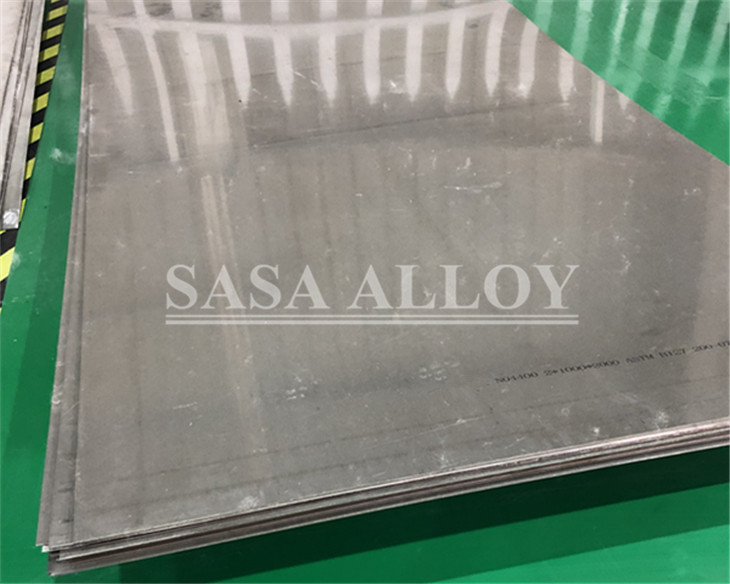
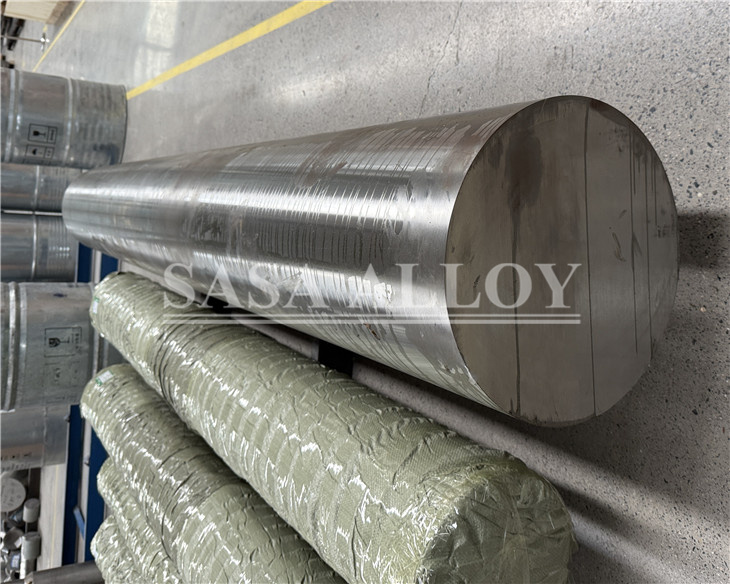
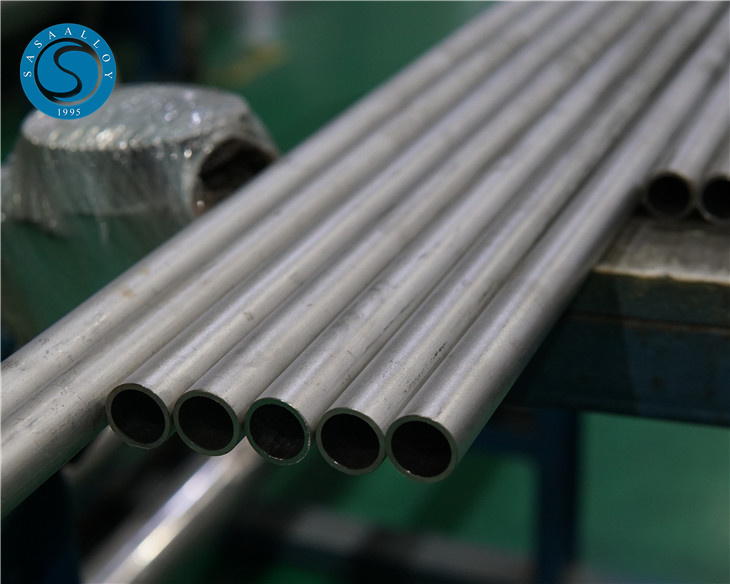
Photographs show the appearance and handling of seamless nickel-alloy pipe. They do not independently prove the grade. Material identity is established through heat-number traceability, the MTC and the inspection requirements agreed for the order.
Fabrication and Application Review
Alloy 686 work-hardens during cold forming and machining. Fabrication planning should account for tooling, cutting parameters, bend radius, cleaning, heat input, interpass control and qualified welding procedures. Filler metal and post-fabrication cleaning must be selected for the service environment and joint design.
Typical evaluation areas include chemical-process transfer piping, heat exchangers, scrubbers and flue-gas-desulfurization equipment, marine and seawater systems, pulp and paper equipment, waste-treatment installations and piping exposed to aggressive mixed-acid or chloride-bearing media. These examples support selection discussions but do not replace a project corrosion review.
Packing and Marking
Pipe ends can be protected with caps, and surfaces can be wrapped with waterproof or protective material. Bundles, wooden cases or supports are selected according to diameter, wall thickness, length and transport method. Package and product marking may include the alloy, specification, heat number, dimensions, quantity and purchase-order reference. Any export packing, lifting-point or seaworthy-packing requirement should be stated in the RFQ.
Frequently Asked Questions
What specification covers Alloy 686 seamless pipe and tube?
ASTM B622 / ASME SB-622 covers seamless nickel-alloy pipe and tube and includes UNS N06686. For condenser or heat-exchanger tubing, ASTM B163 may be specified instead.
What is the difference between Alloy 686 pipe and tube?
Pipe is commonly ordered by nominal pipe size and schedule, while tube is normally controlled by outside diameter and wall thickness. The applicable specification, dimensional convention and tolerance must be stated on the order.
Can Alloy 686 seamless pipe be supplied in custom sizes?
Yes. Market-common and project-specific sizes can be reviewed, but manufacturability depends on outside diameter, wall thickness, length, tolerance, quantity and production route. Send the finished requirement for confirmation.
What information is required for an Alloy 686 pipe quotation?
State the grade, specification edition, seamless construction, OD or NPS, wall or schedule, length, quantity, condition, testing, certificate, marking, packing and delivery destination.
Request an Alloy 686 Seamless Pipe Quotation
Send the complete ASTM B622 / UNS N06686 requirement so the production route, dimensions, tolerances, testing and documentation can be reviewed before quotation.
Send Pipe RequirementsContact SASA ALLOY