ASTM B637 Inconel 706 UNS N09706 Round Bar
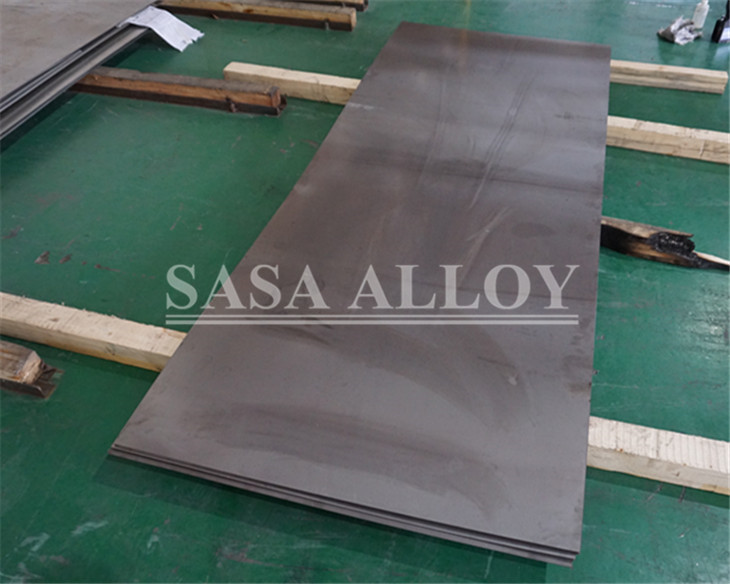
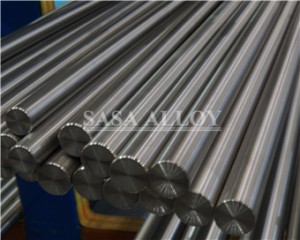
ASTM B637 Inconel 706 UNS N09706 round bar is a precipitation-hardenable nickel-iron-chromium alloy product intended for components that require a controlled combination of strength, fabricability and elevated-temperature performance. SASA ALLOY reviews each inquiry against the requested material condition, dimensions, machining allowance and document package.
Product Specifications
| Product | Inconel 706 Round Bar / Rod |
|---|---|
| UNS designation | N09706 |
| Applicable standard | ASTM B637; ASME SB-637 when specified by the purchaser |
| Product condition | Hot-worked or cold-worked material and heat-treatment condition must be stated and confirmed |
| Surface | Black, peeled, turned, ground or project-specified finish |
| Dimensions | Diameter and length are reviewed against the inquiry, manufacturing route and inspection requirements |
| Documentation | MTC, heat number traceability and additional reports as confirmed in the order |
ASTM B637 covers precipitation-hardening nickel alloy bars, forgings and forging stock. The exact standard edition, supplementary requirements and acceptance criteria must be identified in the purchase order. See the ASTM B637 specification overview.
Material Characteristics
- Nickel-iron-chromium alloy designed for precipitation-hardening response.
- Selected for large rotating and structural components where strength and section-size capability are important.
- Heat treatment has a direct effect on mechanical properties and must match the engineering specification.
- Bar stock can be supplied with machining allowance when this is included in the inquiry.
- Final alloy identity and chemical composition are confirmed by the MTC for the supplied heat.
Chemical Composition and Heat Treatment
Inconel 706 is generally identified as UNS N09706. Chemistry, melting practice and heat treatment are controlled to achieve the specified response. Because allowable limits and property requirements depend on the governing standard and ordered condition, procurement review should use the requested ASTM/ASME edition rather than a generic online composition table.
For quotation, specify whether the bar is required in an annealed, solution-treated, stabilized, aged or other project-defined condition. Do not assume that material in one condition can be substituted for another without engineering approval.
Manufacturing and Processing
- Material review: confirm UNS grade, standard, heat-treatment condition and end-use requirements.
- Bar production: select the applicable hot-working or cold-working route and intermediate processing.
- Heat treatment: apply the ordered thermal cycle and verify the required condition.
- Surface preparation: peel, turn, grind or retain an as-worked surface according to the purchase specification.
- Inspection: verify dimensions, surface, identity, mechanical properties and requested supplementary tests.
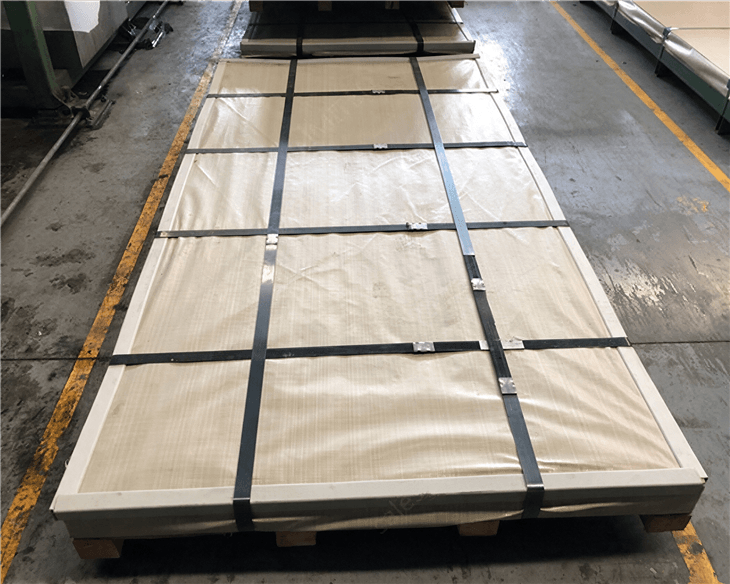
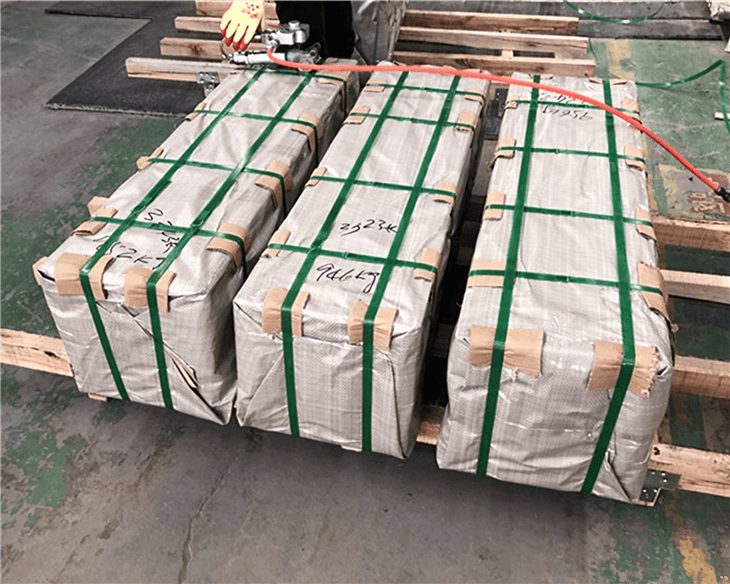
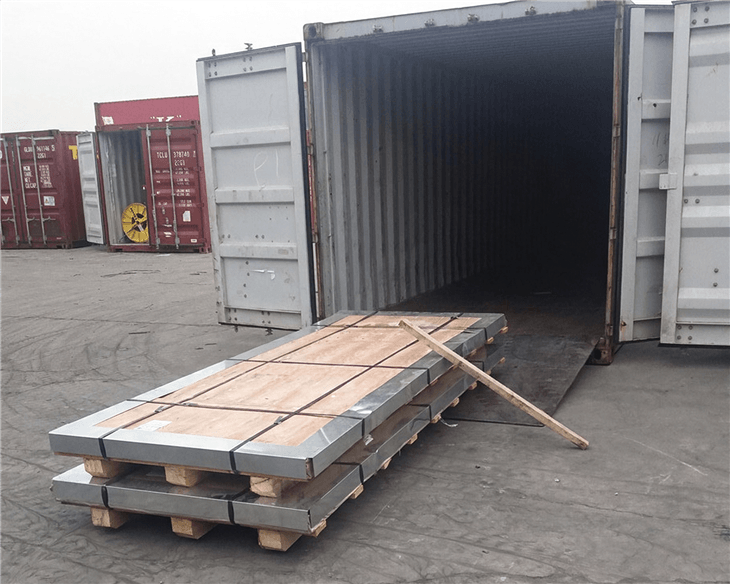
- Marking and packing: maintain heat-number traceability and protect the bar surface for handling and shipment.
Machining and Fabrication Guidance
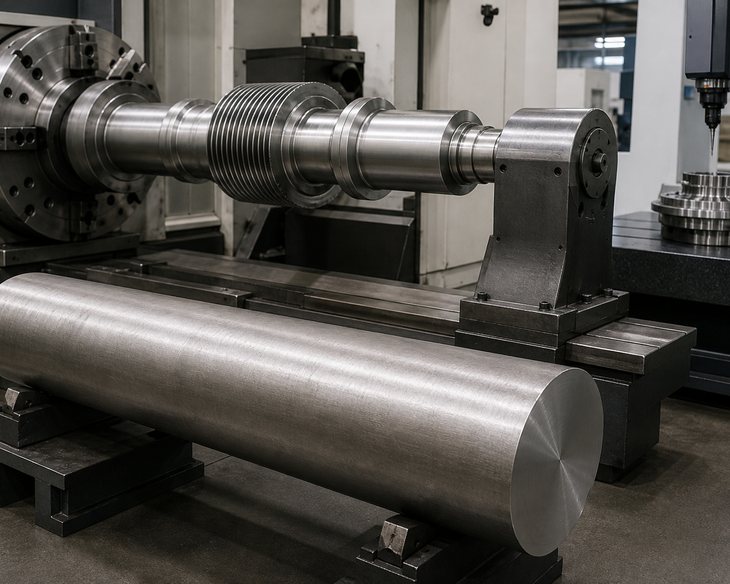
Machining allowance should be agreed before production, especially for large diameters, long lengths or components requiring ultrasonic inspection. Tooling, cutting parameters and stress-control practices depend on bar condition, section size and the final component. Welding or further heat treatment must follow the approved procedure for the intended service.
Applications
- Gas-turbine rotor and shaft components.
- Power-generation rotating equipment.
- Large machined rings, hubs and structural components where the approved design specifies UNS N09706.
- High-temperature components requiring a precipitation-hardened nickel alloy.
These are representative application areas, not automatic material approvals. Suitability must be confirmed for the actual temperature, stress, environment, section size, fatigue requirement and design code.
Packaging
Inspection and Quality Control
- Chemical composition and material identity review.
- Tensile, hardness or stress-rupture testing when required by the governing specification.
- Dimensional and surface inspection.
- Ultrasonic or other NDT when specified and technically applicable.
- Heat number and document traceability.
Why Choose SASA ALLOY?
- Inquiry review based on the requested standard, condition and end-use requirements.
- Support for custom dimensions, machining allowance and inspection planning.
- Clear separation of confirmed supply capability from optional project requirements.
- Documentation and marking requirements reviewed before order confirmation.
Technical FAQ
What standard covers Inconel 706 bar?
ASTM B637 covers precipitation-hardening nickel alloy bars, forgings and forging stock. The ordered edition and condition must be confirmed.
Is UNS N09706 the same as Inconel 706?
UNS N09706 is the UNS designation commonly associated with alloy 706. Final identification should be verified on the MTC and purchase specification.
Can bar be supplied with machining allowance?
Machining allowance can be reviewed when the final diameter, length, component geometry and inspection requirements are stated.
Can ultrasonic testing be requested?
Yes, when the applicable method, acceptance criteria, coverage and reporting requirements are included in the inquiry.
What information is required for quotation?
Provide grade, standard edition, condition, diameter, length, quantity, surface, tolerance, tests, MTC type, marking and packing requirements.