Nickel Alloy Welding Strip Overview
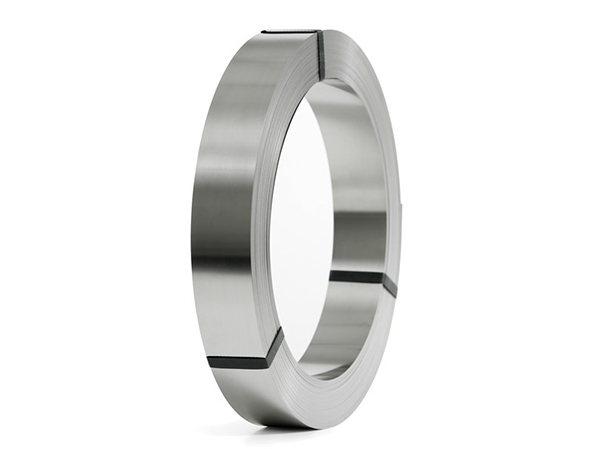
Nickel alloy welding strip is a continuous strip electrode used with a matched flux for submerged arc strip cladding (SASC) or electroslag strip cladding (ESSC). It is selected for corrosion-resistant or heat-resistant overlay on carbon steel, low-alloy steel and other engineered substrates. Unlike round ERNi welding wire, strip consumables use EQ-classifications; the strip grade, flux, base material and qualified welding procedure must be evaluated together.
| Item |
Details |
| Product type |
Nickel and nickel-alloy strip electrode for weld overlay |
| Primary processes |
Submerged arc strip cladding (SASC) and electroslag strip cladding (ESSC) |
| Supply condition |
Precision slit strip supplied in coils; edge, surface and winding condition controlled for feeding |
| Selection basis |
Required overlay chemistry, dilution target, corrosion service, procedure qualification and applicable code |
Product Specification and Classification
| Item |
Details |
| Classification framework |
AWS A5.14 / ASME SFA-5.14 for nickel and nickel-alloy bare welding electrodes and rods; EN ISO 18274 may also be specified |
| Classification prefix |
EQ denotes strip electrode classifications; do not substitute an ER round-wire classification without engineering review |
| Documentation |
Material certificate, chemical analysis and inspection documents supplied as agreed in the purchase order |
| Compliance note |
Classification edition, acceptance limits and test scope must be stated in the inquiry and confirmed before production |
Available EQ Grades and Overlay Selection
| Strip Classification |
Typical Selection Direction |
| EQNi-1 |
Commercially pure nickel overlay; confirm service medium and matched flux |
| EQNiCu-7 |
Nickel-copper overlay for compatible corrosion-service requirements |
| EQNiCr-3 |
Nickel-chromium strip used for corrosion- and heat-resistant overlay systems |
| EQNiCrFe-7 / EQNiCrFe-14 |
High-chromium nickel alloy overlay systems; final classification depends on required deposited-metal chemistry |
| EQNiFeCr-1 |
Nickel-iron-chromium-molybdenum-copper overlay for compatible service conditions |
| EQNiCrMo-3 |
Ni-Cr-Mo-Nb strip commonly selected where Alloy 625-type deposited chemistry is required |
| EQNiCrMo-4 / EQNiCrMo-7 / EQNiCrMo-10 / EQNiCrMo-13 |
High-alloy Ni-Cr-Mo grades for demanding corrosion-resistant overlays; selection requires service and procedure review |
Dimensions, Coil Supply and Processing
| Item |
Details |
| Common strip widths |
30, 60, 90 and 120 mm are established industry sizes; other widths are subject to production review |
| Thickness |
Specified by the purchaser and confirmed against process, current capacity and feeding system |
| Coil configuration |
Coil inside diameter, outside diameter, net weight, winding direction and splice restrictions confirmed with the order |
| Edge and surface |
Clean slit edges and controlled surface condition for stable electrical contact and feeding |
| Dimensional inspection |
Width, thickness, camber and coil condition checked to the agreed purchase specification |
Discuss Welding Strip Grade, Size and Flux Matching
Cladding Processes and Applications
| Item |
Details |
| SASC |
Submerged arc strip cladding uses strip electrode and granular flux to deposit wide corrosion-resistant overlay beads |
| ESSC |
Electroslag strip cladding uses conductive slag heating and can provide high deposition with controlled dilution when supported by a qualified procedure |
| Pressure equipment |
Overlay of vessels, heads, shells, nozzles and related components where the design requires a nickel-alloy wetted surface |
| Oil, gas and chemical service |
Corrosion-resistant cladding on engineered components exposed to aggressive process media |
| Power and heat-processing equipment |
Heat- or corrosion-resistant overlay selected according to operating temperature, environment and design code |
Quality Inspection and Documentation
| Item |
Details |
| Incoming material control |
Heat identity and source documentation reviewed against the ordered EQ classification |
| Chemical analysis |
Strip chemistry verified according to the agreed specification and inspection plan |
| Dimensional checks |
Width, thickness, camber and coil dimensions recorded as required |
| Surface and edge inspection |
Visual inspection for cleanliness, edge defects and feeding condition |
| Optional documentation |
EN 10204 3.1 certificate, third-party inspection or additional testing can be arranged when stated before quotation |
| Procedure responsibility |
Deposited-metal chemistry and performance depend on strip, flux, dilution and welding parameters; qualification remains subject to the fabricator’s WPS/PQR and governing code |
Packaging and Export Delivery
| Item |
Details |
| Coil protection |
Strip coils are secured to prevent telescoping, edge damage and contamination during handling |
| Moisture barrier |
Protective wrapping and desiccant used where required by route and storage conditions |
| Export packing |
Coils are placed in reinforced cases or on suitable supports according to size and transport method |
| Identification |
EQ classification, heat or lot number, dimensions, net weight and order reference marked on the package |
| Shipping review |
Package weight, lifting method, destination and documentation are confirmed before dispatch |
RFQ Confirmation Checklist
| Please Provide |
Required Detail |
| Strip classification |
Required EQ grade and governing standard/edition |
| Dimensions |
Thickness, width, coil ID/OD, coil weight and winding direction |
| Cladding process |
SASC or ESSC, matched flux and equipment details |
| Overlay requirement |
Base material, target deposited chemistry, layer thickness and dilution limit |
| Operating service |
Temperature, process medium and corrosion or heat-resistance requirement |
| Quality documents |
Certificate type, inspection scope, marking and third-party requirements |
| Commercial information |
Quantity, delivery destination and requested delivery date |
Request a Nickel Alloy Welding Strip Quote
Technical values and classifications are confirmed against the purchase specification and applicable standard before order acceptance. Welding parameters and flux selection must be qualified for the actual base material and service.
Previous: incoloy 800
Next: Inconel X-750