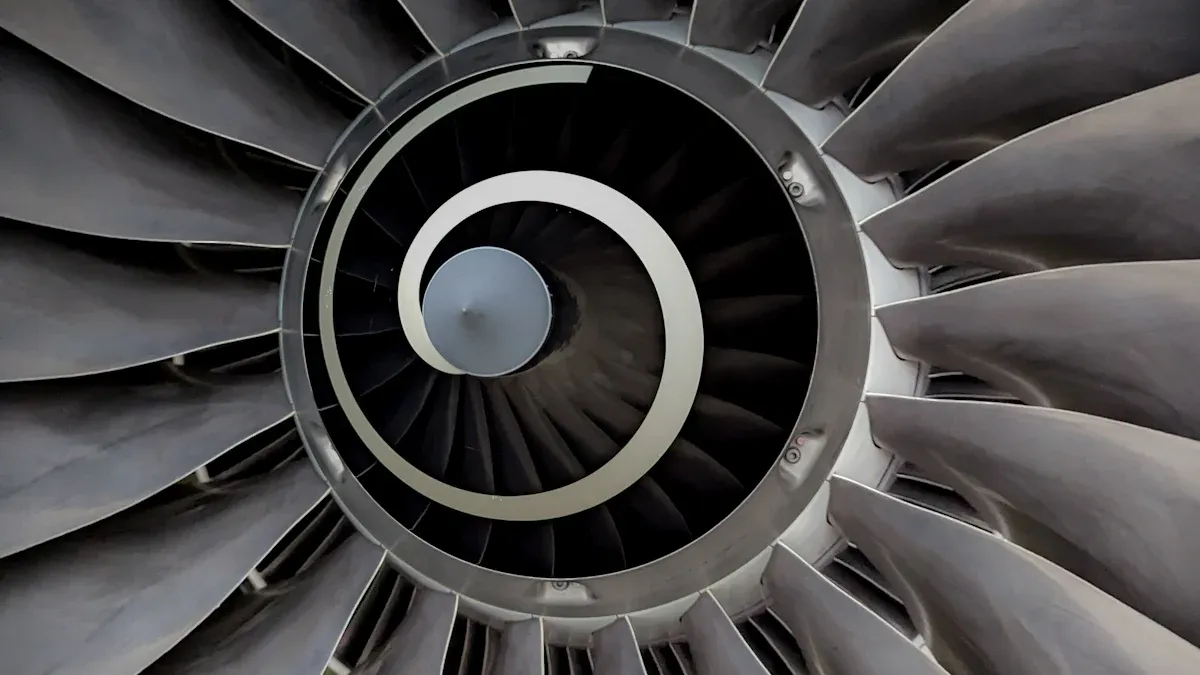
Inconel 718 bar is a high-strength, corrosion-resistant nickel-chromium superalloy. Its exceptional performance in extreme temperatures, from cryogenic levels to 1300°F (704°C), allows it to constitute up to 50% of an aircraft turbojet engine's weight. Sasaalloy is a key supplier of this versatile material, designated as UNS N07718, and also provides other alloys like Inconel 600 round bar. The global demand for these advanced superalloys shows consistent growth.
| Metric | Value |
|---|---|
| Market Size (2024) | 224.74 Thousand Tonnes |
| Projected Market Size (2035) | 399.64 Thousand Tonnes |
| CAGR (2025-2035) | 5.45% |
Key Takeaway: Inconel 718 is a critical superalloy for extreme-temperature applications, with a strong and growing market presence.
Key Takeaways
- Inconel 718 is a strong metal. It works well in very hot and very cold places.
- This metal gets its strength from a special heat treatment. This process makes it very hard.
- Inconel 718 does not rust easily. It also resists damage from chemicals.
- It is used in jet engines and oil tools. It is also used in power plants and for strong bolts.
- This metal is important for safety. It works when other materials might fail.
What Is Inconel 718 Bar? A Closer Look
Understanding Inconel 718 requires a look at its fundamental composition, its defining properties, and the unique process that gives it such remarkable strength. These factors work together to create a superalloy trusted in the world's most demanding industries.
Core Composition and Elements
The performance of Inconel 718 originates from its precise chemical makeup. It is a nickel-based superalloy with a carefully balanced blend of elements. The primary components include:
- Nickel (Ni): ~52%
- Chromium (Cr): ~19%
- Iron (Fe): ~18%
- Columbium (Nb) + Tantalum (Ta): ~5%
- Molybdenum (Mo): ~3%
- Titanium (Ti): ~1%
This specific combination, particularly the inclusion of Columbium, is critical for the alloy's ability to be strengthened through heat treatment.
Defining Material Properties
Inconel 718 possesses a unique set of physical and mechanical properties. It has a density of 8.19 g/cm³ and a thermal conductivity of 11.4 W/m·K, which contributes to its stability under thermal stress. To ensure consistency and quality, the production of Inconel 718 bar is governed by strict industry standards. Key specifications include:
Sasaalloy supplies this material in numerous forms to meet diverse engineering needs.
| Form | Common Size Ranges |
|---|---|
| Round Bar | Diameter: 3mm - 800mm |
| Square Bar | 4mm x 4mm - 100mm x 100mm |
| Flat Bar | Thickness: 2mm - 100mm |
| Hex Bar | 2mm - 100mm A/F |
The Age-Hardening Process
The exceptional strength of Inconel 718 is not inherent; it is developed through a two-step heat treatment called age-hardening. First, the material undergoes solution annealing, typically at 1750-1800°F (954-982°C), which prepares its internal structure.
The second step is precipitation hardening. During this phase, the alloy is held at a lower temperature, around 1325°F (718°C), for an extended period. This process causes microscopic strengthening particles, known as gamma prime (γ′) and gamma double prime (γ″) phases, to form and precipitate within the metal's grain structure. These fine precipitates act as powerful reinforcements, obstructing dislocation movement and dramatically increasing the alloy's hardness and tensile strength.
Section Summary: Inconel 718's power comes from its nickel-chromium-iron composition, which is refined by a precise age-hardening process. This treatment creates a strong internal microstructure, giving the material its signature strength and reliability across a wide range of certified forms.
Key Advantages Driving the Use of Inconel 718 Bar
The widespread adoption of Inconel 718 stems from a powerful combination of properties that allow it to perform reliably where many other materials would fail. Its unique advantages in strength, corrosion resistance, and temperature versatility make it an indispensable material for critical engineering challenges.
Unmatched High-Temperature Strength
Inconel 718 excels in high-temperature environments. It retains exceptional tensile and creep-rupture strength up to 1300°F (704°C). This characteristic is a direct result of the age-hardening process, which creates a stable microstructure resistant to thermal stress. Unlike many stainless steels that lose strength at elevated temperatures, Inconel 718 maintains its structural integrity. This makes it a superior choice for components in jet engines and gas turbines.
| Material | Key Property for High-Temperature Applications |
|---|---|
| Inconel 718 | Superior for high-temperature strength and corrosion resistance |
| Titanium Alloy Ti-6Al-4V | Prioritized for weight reduction, but Inconel 718 is superior if high-temperature strength and corrosion resistance are also needed |
Summary: Inconel 718's ability to maintain high strength at elevated temperatures gives it a distinct advantage over both stainless steel and titanium alloys in demanding thermal applications.
Superior Corrosion and Oxidation Resistance
The high nickel and chromium content in the Inconel 718 bar provides outstanding protection against corrosion and oxidation. The alloy forms a stable, passive oxide layer on its surface that shields it from aggressive media. This makes it highly effective in environments containing chloride ions, sour gas, and various industrial acids. Its robust defense against multiple forms of degradation ensures long service life and reliability in harsh chemical processing and marine applications.
| Environment | Performance Summary |
|---|---|
| General Corrosion | Excellent resistance to a wide range of corrosive media. |
| Pitting & Crevice Corrosion | Highly resistant in chloride-containing environments. |
| Stress Corrosion Cracking | Excellent resistance in chloride and sulfide solutions. |
Summary: The alloy's chemical composition offers comprehensive resistance to general corrosion, pitting, and stress corrosion cracking, ensuring durability in corrosive settings.
Excellent Cryogenic Performance
Inconel 718’s utility extends to the opposite end of the temperature spectrum. The material demonstrates excellent strength and ductility at cryogenic temperatures. Unlike some metals that become brittle and fracture in extreme cold, Inconel 718 retains its toughness. This property is vital for applications such as cryogenic storage tanks, valves, and fasteners used in aerospace and liquefied natural gas (LNG) systems. Its reliable performance ensures safety and structural integrity in sub-zero conditions.
Summary: Inconel 718 maintains its strength and avoids brittleness at cryogenic temperatures, making it a safe and reliable choice for extreme cold applications.
Critical Applications for Inconel 718 Bar from Sasaalloy
The unique properties of Inconel 718 make it the material of choice for industries where failure is not an option. Its combination of high strength, temperature stability, and corrosion resistance allows engineers to design components that operate reliably under the most extreme conditions. Sasaalloy provides this critical superalloy for a wide range of demanding applications.
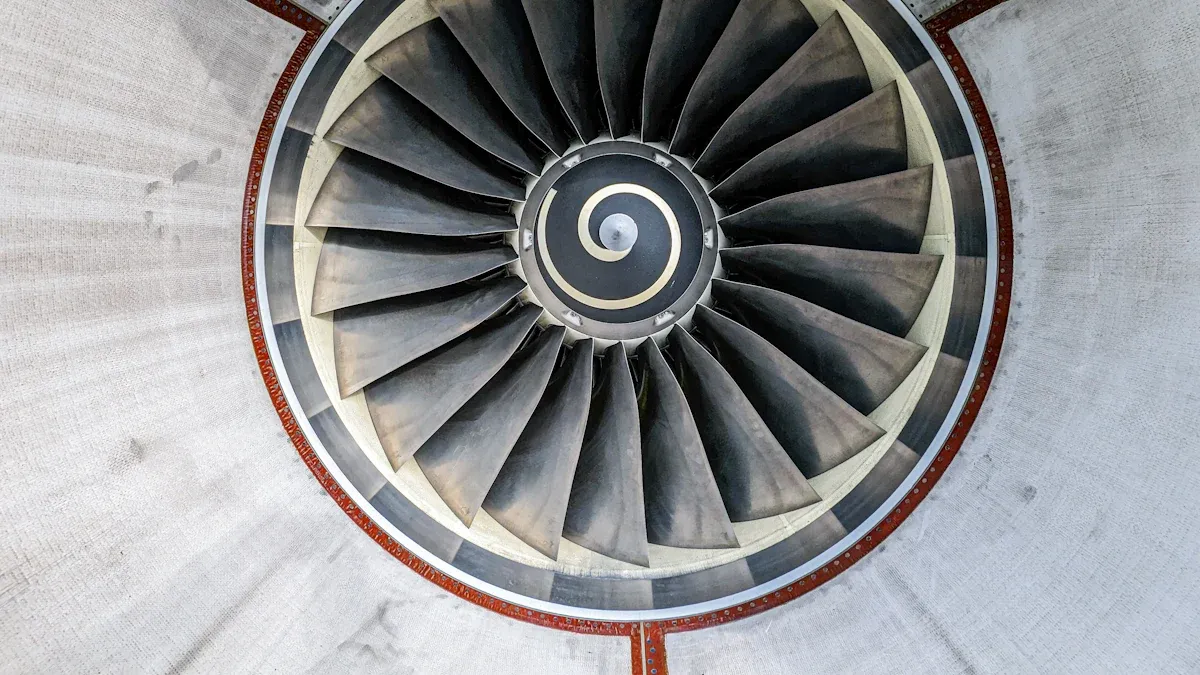
Aerospace and Jet Engine Components
The aerospace industry relies heavily on Inconel 718 for critical jet engine parts. The material's ability to withstand intense heat and mechanical stress is essential for engine performance and safety. It revolutionized gas turbine engine design, enabling the construction of more complex and durable components.
Key parts manufactured from this superalloy include:
- High-Pressure Turbine (HPT) Discs
- Compressor Discs and Blades
- Engine Shafts
- Fasteners and Casings
These components operate under cyclic loading and extreme temperatures. Inconel 718's resistance to fatigue and creep is therefore paramount. The alloy maintains excellent creep strength for extended periods at 650°C and has a high fatigue strength between 480–650 MPa. This ensures components do not deform or fail over thousands of hours of operation.
| Component | Critical Property Met by Inconel 718 |
|---|---|
| Turbine & Compressor Discs | High fatigue and creep-rupture strength |
| Engine Shafts | Excellent tensile strength and toughness |
| Blades and Vanes | Resistance to oxidation and thermal fatigue |
Application Summary: In aerospace, Inconel 718 provides the necessary high-temperature strength and fatigue resistance for critical jet engine components, ensuring operational safety and longevity.
Oil & Gas Industry Equipment
The oil and gas industry faces harsh downhole environments characterized by high pressure, high temperature (HPHT), and corrosive elements like hydrogen sulfide (H₂S) and chlorides. The Inconel 718 bar is an ideal material for equipment that must endure these conditions. Its superior corrosion resistance prevents degradation from sour gas and saltwater, ensuring equipment integrity.
Engineers specify Inconel 718 for a variety of essential downhole and surface equipment.
- Wellhead Components: Including valves, hangers, and packers.
- Downhole Tools: Such as drill collars, side pocket mandrels, and subsurface safety valves.
- Measurement Equipment: Used for measurement-while-drilling (MWD) tools that require durability and precision.
The alloy's high strength prevents deformation under immense downhole pressures. Its resistance to stress corrosion cracking ensures long-term reliability, reducing the risk of catastrophic failures and costly downtime.
Application Summary: In the oil and gas sector, Inconel 718 delivers the corrosion resistance and strength needed for reliable performance in high-pressure, high-temperature, and sour gas environments.
Power Generation and Nuclear Systems
Power generation systems, including both gas turbines and nuclear reactors, demand materials with exceptional long-term stability. Inconel 718 meets these requirements perfectly. In land-based gas turbines, it is used for hot-section components that see continuous high-temperature service.
Common gas turbine applications include:
- Turbine blades
- Combustion liners
- Transition ducts
In the nuclear industry, safety is the absolute priority. Inconel 718 is used for reactor internal components, control rod parts, and heat exchanger tubing. Its high mechanical strength and resistance to radiation damage are critical. Furthermore, the alloy's high nickel content provides excellent resistance to chloride-ion stress corrosion cracking. The chromium content adds a robust defense against oxidizing environments. This dual protection is vital for preventing material degradation in the aqueous environments of nuclear reactors.
Application Summary: For power generation and nuclear systems, Inconel 718 offers the high-temperature stability and critical corrosion resistance required for long-term safety and operational efficiency.
Cryogenic Storage and Fasteners
The versatility of Inconel 718 extends from extreme heat to the intense cold of cryogenic environments. Its unique material properties also make it a premier choice for high-strength fasteners that hold critical assemblies together.
In cryogenic applications, many metals become brittle and lose their structural integrity. Inconel 718, however, maintains its excellent strength and ductility at ultra-low temperatures. This prevents embrittlement, a critical safety factor when handling liquefied gases. For this reason, engineers specify the alloy for valve trim and components in industrial systems designed for liquid oxygen, liquid nitrogen, and liquid argon. Its reliability ensures the safe containment and transport of these volatile substances.
The same properties that make the alloy dependable in extreme temperatures also make it ideal for manufacturing high-performance fasteners. Critical joints in aerospace, power generation, and industrial machinery require bolts and screws that will not fail under immense stress. Inconel 718 fasteners deliver this reliability.
Key advantages of using Inconel 718 for fasteners include:
- Exceptional Strength: The alloy provides extremely high yield, tensile, and creep-rupture strength at temperatures up to 1300°F (700°C). This strength is achieved through a precipitation-hardening process.
- Superior Corrosion Resistance: Its nickel-chromium composition creates a powerful defense against oxidation and corrosion, while molybdenum helps prevent pitting.
- Fatigue Resistance: It withstands cyclic loading and vibration without degrading, which is essential for components in engines and heavy machinery.
- Weldability: The material is readily weldable and resists postweld cracking, simplifying the fabrication of complex assemblies.
The Inconel 718 bar is often the starting material for these robust components, ensuring a flawless internal structure from the very beginning.
| Fastener Material | Key Advantage | Limitation |
|---|---|---|
| Inconel 718 | Unmatched strength and corrosion resistance across a vast temperature range. | Premium material for critical applications. |
| Stainless Steel | Good corrosion resistance at ambient temperatures. | Loses significant strength at high temperatures. |
| Alloy Steel | High strength at a lower cost. | Poor corrosion resistance without protective coatings. |
Application Summary: Inconel 718 provides essential safety in cryogenic systems by resisting low-temperature embrittlement. As a fastener material, it offers an unparalleled combination of high strength, fatigue resistance, and corrosion protection for the most demanding mechanical joints.
In summary, the Inconel 718 bar stands as a premier nickel-based superalloy. Its unique combination of high strength across a vast temperature range and excellent corrosion resistance makes it indispensable where other materials fail. Industries from aerospace to power generation rely on it for critical components. For demanding projects requiring ultimate performance, sourcing this material from a trusted supplier like Sasaalloy, which holds key certifications such as AS9100, is essential for ensuring reliability and safety.
Final Takeaway: Inconel 718 is the material of choice for extreme engineering challenges, offering unmatched performance when failure is not an option.
FAQ
What makes Inconel 718 different from other Inconel alloys?
Inconel 718's primary distinction is its precipitation-hardenable nature due to its Niobium content. This unique age-hardening process provides superior mechanical strength and excellent weldability, setting it apart from many other nickel-based alloys that are more difficult to fabricate.
Key Point: Its age-hardenability provides exceptional strength and weldability.