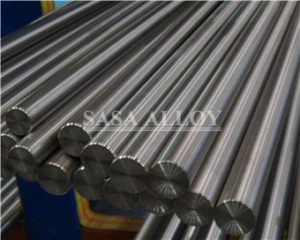
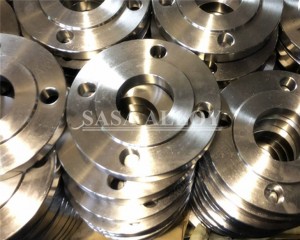
Inconel 601 Wire

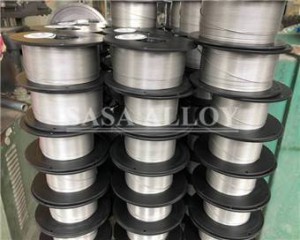
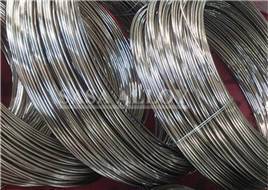
Inconel 601 wire is a form of this alloy that is drawn or formed into a thin, elongated structure. The wire form is commonly used in various industrial applications, including heating elements, furnace components, and thermocouple sheaths, due to its ability to withstand high temperatures.
Specifications of Inconel 601 Wire:
| Grade | 600, 601, 625, 660, 690, 718, X750 |
| Standard | ASTM B166 |
| Length | 100 mm TO 6000 mm, customizable |
| Diameter | 10 mm To 100 mm or as per client requirement |
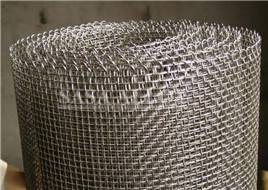
| Types | Filler Wire, Coil Wire, Electrode Wire, Welding Wire, Wire mesh, Knitted wire mesh, filter mesh, mig wire, tig wire, spring wire |
| Surface | Polished bright, Smooth |
| Technology | Cold Rolled, hot rolled |
Types of Inconel 601 Wire:
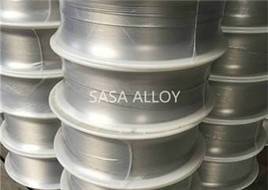
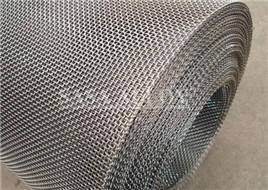
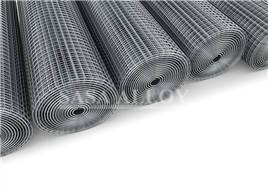
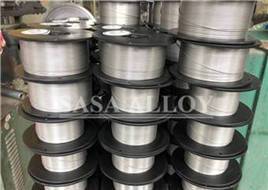
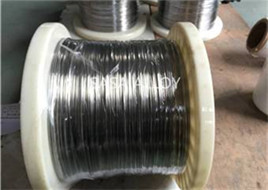
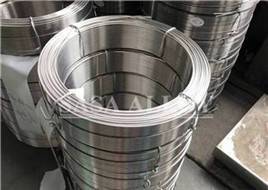
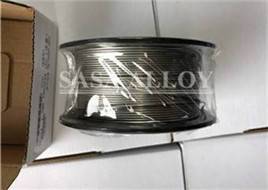
Equivalent Grades Of Inconel 601 Wires:
| STANDARD | 601 |
|---|---|
| WERKSTOFF NR. | 2.4851 |
| UNS | N06601 |
| JIS | NCF 601 |
| BS | NA 49 |
| GOST | XH60BT |
| AFNOR | NC23FeA |
| EN | NiCr23Fe |
CHEMICAL COMPOSITION OF Inconel 601 Wire:
| Grade | 601 |
|---|---|
| C | 0.10 |
| Mn | 1.0 |
| Si | 0.50 |
| S | 0.015 |
| Fe | Bal |
| Ni | 58.0-63.0 |
| Cu | 1.0 |
| Cr | 21.0-25.0 |
Inconel 601 Wires Mechanical Properties:
| Density | 8.1 g/cm3 |
|---|---|
| Melting Point | 1411 °C (2571 °F) |
| Tensile Strength | Psi – 80,000 , MPa – 550 |
| Yield Strength 0.2% Proof | Psi – 30,000 , MPa – 205 |
| Elongation (% in 50mm) (thick.>0.76mm) | 30% |
Physical Constants and Thermal Properties:
| Property | Imperial Units / Metric Units |
|---|---|
| Density | 0.293 lb/in³ 8.11 g/cm³ |
| Melting Range | 2480 – 2571 °F 1360 – 1411 °C |
| Specific Heat | 0.107 Btu/lb·°F 448 J/kg·°C |
| Curie Temperature | < -320 °F < -196 °C |
| Permeability at 200 Oersted (15.9 kA/m) | 1.003 – |
| Coefficient of Expansion (70–200°F / 20–100°C) | 7.60 × 10⁻⁶ in/in·°F 13.75 µm/m·°C |
| Thermal Conductivity | 78 Btu·in/ft²·h·°F 11.2 W/m·°C |
| Electrical Resistivity | 717 ohm·circ mil/ft 1.19 µΩ·m |
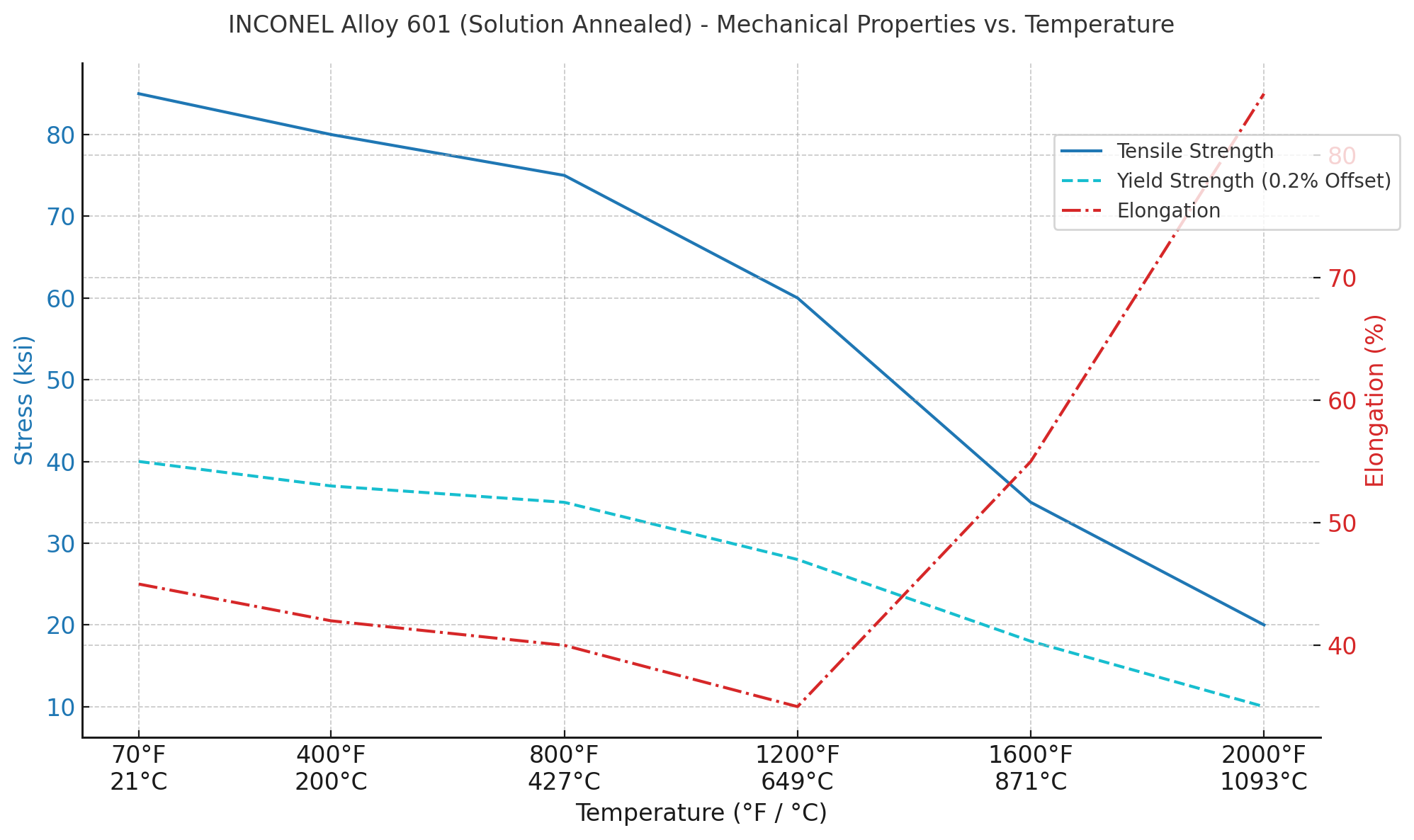
Typical Mechanical Properties (Solution Annealed)
| Temperature (°F) / Temperature (°C) | ksi / MPa |
|---|---|
| 1200 °F / 650 °C | 28.0 / 195 |
| 1400 °F / 750 °C | 9.1 / 63 |
| 1600 °F / 870 °C | 4.3 / 30 |
| 1800 °F / 980 °C | 2.1 / 14 |
| 2000 °F / 1095 °C | 1.0 / 7 |
SASA ALLOY'S Quality Assurance:
1. Visual Dimension Test
2. Mechanical examining like tensile, Elongation and reduction of area.
3. Impact analysis
4. Chemical examination analysis
5. Hardness test
6. Pitting protection test
7. Penetrant Test
8. Intergranular Corrosion Testing
9. Roughness Testing
10. Metallography Experimental Test
Why Choose Us:
Discuss your Inconel 601 wire requirements with SASA ALLOY using a clearly defined purchasing specification. The quotation should identify the material, delivery condition and inspection scope before an order is placed.
- Specification-led enquiries: provide UNS N06601, the applicable standard, diameter and tolerance, surface condition and quantity. State whether you need coils, spools or straight lengths.
- Application and processing details: include the intended service environment, forming requirements and any drawing-specific acceptance criteria so that suitability can be reviewed.
- Documentation agreed in advance: identify the certificate type, heat or lot traceability and test records required. Any third-party inspection must be specifically confirmed in the quotation.
- Clear delivery scope: agree packing, package weights, destination, shipping terms and the requested delivery schedule. Availability and lead time are subject to order confirmation.
Use the enquiry form below to send your wire specification and request a quotation.
Packing:
Wire packing should match the supply form, coil weight, surface condition and transport route. Confirm the following requirements before shipment:
- Coils and spools: specify coil or spool dimensions and maximum unit weight to suit unloading and pay-off equipment. Secure loose ends and use suitable restraints to reduce tangling and handling damage.
- Surface protection: agree wrapping and moisture protection appropriate to the wire finish, storage conditions and transit duration. Protect contact points from abrasion.
- Outer packaging: confirm whether cartons, pallets, wooden cases or another arrangement is needed for the shipment. Avoid assuming that every order uses the same packaging.
- Identification: request clear labels linking the grade, size, quantity and heat or lot number to the order documents.
Packing note: Specify any special export, storage or handling requirements with your enquiry. The packing method and documentation must be agreed for the actual order.