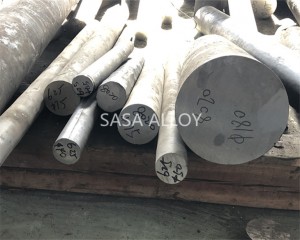
Hastelloy G30 Alloy Bar UNS N06030 Corrosion Resistant Round Rod
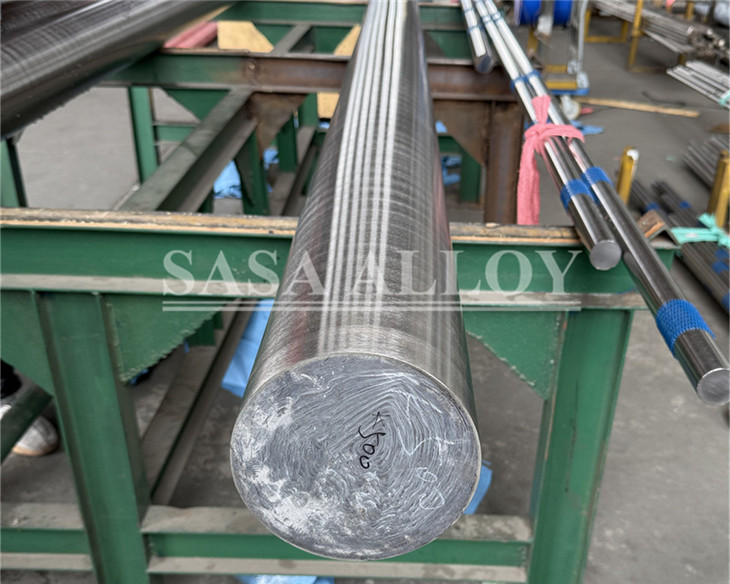
Hastelloy G30 Alloy Bar UNS N06030 is a high-chromium nickel-chromium-iron-molybdenum corrosion-resistant round rod developed for aggressive oxidizing acid environments. It is particularly resistant to wet-process phosphoric acid and also provides strong resistance to nitric acid, mixed oxidizing acids and many fertilizer-production process streams.
The alloy is also identified as Alloy G30 Bar, UNS N06030 Round Bar, W.Nr. 2.4603 Bar, NiCr30FeMo Round Rod and W86030 Alloy Bar. Available product forms include hot-rolled bar, forged bar, peeled round bar, rough-turned rod, polished bar, centerless-ground bar and custom-machined stock.
Product Parameters
| Item | Product Details |
|---|---|
| Product Name | Hastelloy G30 Alloy Bar UNS N06030 Corrosion Resistant Round Rod |
| Grade | Hastelloy G30 / Alloy G30 / UNS N06030 |
| European Designation | W.Nr. 2.4603 / NiCr30FeMo |
| Welding UNS Number | W86030 for matching welding products |
| Material Type | Nickel-chromium-iron-molybdenum corrosion-resistant alloy |
| Product Shapes | Round bar, rod, billet, forged bar and machined round stock |
| Diameter Range | Approximately 6 mm to 300 mm; larger forged sizes on request |
| Length | 1000 mm to 6000 mm or custom cut-to-length |
| Surface Finish | Black, descaled, peeled, turned, polished or centerless ground |
| Delivery Condition | Mill annealed, solution annealed, hot rolled or forged |
| Bar Standard | ASTM B581 / ASME SB581 |
| Forging Standard | ASTM B462 / ASME SB462 where applicable |
| Other References | NACE MR0175 / ISO 15156 where specified |
| Diameter Tolerance | ASTM tolerance, h9, h11 or custom ground tolerance |
| Length Tolerance | Standard mill tolerance or drawing-specific cut length |
| Certificates | MTC, EN 10204 3.1, PMI and dimensional reports |
Chemical Composition
Hastelloy G30 contains a high chromium level together with nickel, iron, molybdenum, tungsten, copper and niobium. The high chromium content supports resistance to oxidizing acids, while molybdenum and copper contribute to resistance in selected reducing acid conditions.
| Element | Nominal or Typical Content | Function |
|---|---|---|
| Nickel (Ni) | Balance, nominally about 43% | Provides the corrosion-resistant nickel alloy matrix |
| Chromium (Cr) | Nominally 30% | Improves resistance to oxidizing acids and process streams |
| Iron (Fe) | Nominally 15% | Contributes to the nickel-chromium-iron alloy structure |
| Molybdenum (Mo) | Nominally 5.5% | Supports resistance to reducing acids and localized attack |
| Tungsten (W) | Nominally 2.5% | Contributes to corrosion resistance in aggressive media |
| Copper (Cu) | Nominally 2.0% | Supports resistance in sulfuric and other reducing environments |
| Niobium (Nb) | Nominally 0.8% | Contributes to alloy stability and performance |
| Cobalt (Co) | 5.0% maximum | Controlled residual or alloying element |
| Manganese (Mn) | 1.5% maximum | Supports melting and deoxidation control |
| Silicon (Si) | 0.8% maximum | Controlled to maintain corrosion and welding performance |
| Carbon (C) | 0.03% maximum | Low carbon supports weldability and corrosion resistance |
Mechanical Properties
Mechanical properties depend on bar diameter, manufacturing route, heat treatment and test temperature. The following values are typical references for mill-annealed products and should not be interpreted as guaranteed values for every diameter.
| Property | Typical Reference | Engineering Significance |
|---|---|---|
| 0.2% Yield Strength | Approximately 317 MPa at room temperature | Reference for structural and machining calculations |
| Ultimate Tensile Strength | Approximately 689 MPa at room temperature | Indicates load-bearing capability in annealed condition |
| Elongation | Approximately 60% for 25.4 mm bar | Indicates high ductility in mill-annealed condition |
| Typical Bar Hardness | Approximately 78 HRBW | Useful for machining and forming planning |
| Density | Approximately 8.22 g/cm³ | Used for weight and logistics calculations |
| Elastic Modulus | Approximately 202 GPa at room temperature | Supports deformation and stiffness calculations |
| Electrical Resistivity | Approximately 1.16 μΩ·m at room temperature | Reference physical property for equipment design |
| Thermal Conductivity | Approximately 10 W/m·°C at room temperature | Relevant to thermal transfer and machining heat control |
| Thermal Expansion | Approximately 12.8 μm/m·°C from 30–100°C | Relevant to dimensional changes in heated equipment |
Common Size Table
| Diameter Range | Typical Length | Common Surface | Typical Processing |
|---|---|---|---|
| 6–20 mm | 1000–3000 mm | Bright, polished or ground | Fasteners, pins and small machined components |
| 22–50 mm | 2000–6000 mm | Peeled, turned or polished | Valve parts, shafts and corrosion-resistant fittings |
| 55–100 mm | 2000–6000 mm | Peeled or rough turned | Pump components, valve bodies and heavy-duty shafts |
| 105–180 mm | Cut-to-length | Forged and rough turned | Large valve, pump and reactor components |
| 185–300 mm | Customized | Forged, peeled or rough machined | Large corrosion-resistant machined parts |
| Above 300 mm | Project specific | Forged and machined | Special forgings subject to technical review |
Different Specifications Comparison
| Specification | Main Feature | Recommended Use | Selection Advice |
|---|---|---|---|
| Hot-Rolled Bar | Economical stock with machining allowance | General machining and fabricated components | Specify final machining allowance and surface scale condition |
| Forged Bar | Available in larger diameters and custom sections | Heavy valve, pump and reactor components | Confirm forging ratio, heat treatment and UT requirements |
| Peeled Bar | Scale-free surface with controlled diameter | CNC machining and corrosion-resistant shafts | Suitable for reduced machining time |
| Rough-Turned Bar | Improved surface and dimensional consistency | Large machined components and shafts | Specify minimum finish diameter after turning |
| Ground Bar | Tight diameter tolerance and smooth surface | Precision shafts, stems and close-tolerance parts | Confirm h9, h8 or drawing-specific tolerance |
| Cut-to-Length Rod | Prepared blanks for direct machining | Valve trim, fasteners and custom equipment parts | State saw-cut tolerance and end-face requirement |
Comparison with Similar Nickel Alloys
| Alloy | Main Strength | Relative Limitation | Typical Selection |
|---|---|---|---|
| Hastelloy G30 | Wet-process phosphoric acid and oxidizing acids | Not the strongest option for concentrated reducing acids | Fertilizer, phosphoric acid and nitric acid equipment |
| Hastelloy G35 | Higher chromium and improved fertilizer-grade acid resistance | Different chemistry and project availability | Highly oxidizing phosphoric acid services |
| Hastelloy C276 | Broad resistance to reducing acids and chlorides | Lower chromium than G30 for some oxidizing environments | Mixed corrosive chemical processing environments |
| Hastelloy C22 | Balanced oxidizing and reducing media resistance | Material selection depends on exact acid chemistry | Chemical reactors and chloride-bearing process systems |
| Alloy 625 | Good strength and broad marine corrosion resistance | Not optimized specifically for wet-process phosphoric acid | Marine, offshore and general chemical service |
Equivalent Standards and International Names
| System | Designation | Remarks |
|---|---|---|
| Trade Designation | Hastelloy G30 / Alloy G30 | Commercial nickel alloy designation |
| UNS | N06030 | Wrought base metal designation |
| Welding UNS | W86030 | Matching welding consumable reference |
| Werkstoff Number | 2.4603 | European material number |
| DIN Chemical Name | NiCr30FeMo | European chemical designation |
| Bar Standard | ASTM B581 / ASME SB581 | Billet, rod and bar products |
| Welding Wire | ERNiCrMo-11 | AWS A5.14 matching filler classification |
| Covered Electrode | ENiCrMo-11 | AWS A5.11 electrode classification |
| Sour-Service Reference | NACE MR0175 / ISO 15156 | Applicable only when specified and qualified |
Production Process Flow
| Step | Process | Quality Control Focus |
|---|---|---|
| 1 | Raw Material Preparation | Verify nickel, chromium, molybdenum and alloying materials |
| 2 | Controlled Melting | Control chemistry, gas content and melt cleanliness |
| 3 | Ingot Casting or Remelting | Control segregation, shrinkage and internal soundness |
| 4 | Homogenization | Improve chemical and microstructural uniformity |
| 5 | Hot Forging or Rolling | Control temperature, reduction and grain structure |
| 6 | Solution Annealing | Restore corrosion resistance and ductility |
| 7 | Rapid Cooling or Water Quenching | Maintain the required solution-annealed structure |
| 8 | Peeling, Turning or Grinding | Achieve specified diameter, surface and tolerance |
| 9 | Inspection and Testing | Verify chemistry, mechanical properties and dimensions |
| 10 | Marking and Packaging | Maintain heat-number traceability and transport protection |
Product Inspection
| Inspection Item | Method | Purpose |
|---|---|---|
| Chemical Composition | Spectrometer or laboratory chemical analysis | Verify UNS N06030 chemistry |
| PMI Testing | Positive Material Identification | Reduce alloy mix-up and substitution risk |
| Tensile Testing | Yield, tensile strength and elongation test | Confirm annealed mechanical properties |
| Hardness Testing | Rockwell or Brinell hardness test | Evaluate material and heat-treatment condition |
| Dimensional Inspection | Caliper, micrometer and length measurement | Verify diameter, length and dimensional tolerance |
| Straightness Inspection | Straightedge or precision runout measurement | Confirm suitability for machining and shaft applications |
| Surface Inspection | Visual and surface quality examination | Detect cracks, laps, pits, scale and mechanical damage |
| Ultrasonic Testing | UT when specified and technically applicable | Evaluate internal soundness of bars and forgings |
| Liquid Penetrant Testing | PT on machined or finished surfaces when required | Detect surface-breaking discontinuities |
| Third-Party Inspection | SGS, BV, TÜV or customer-appointed agency | Provide independent inspection before shipment |
Product Packaging
| Packaging Item | Packaging Method | Purpose |
|---|---|---|
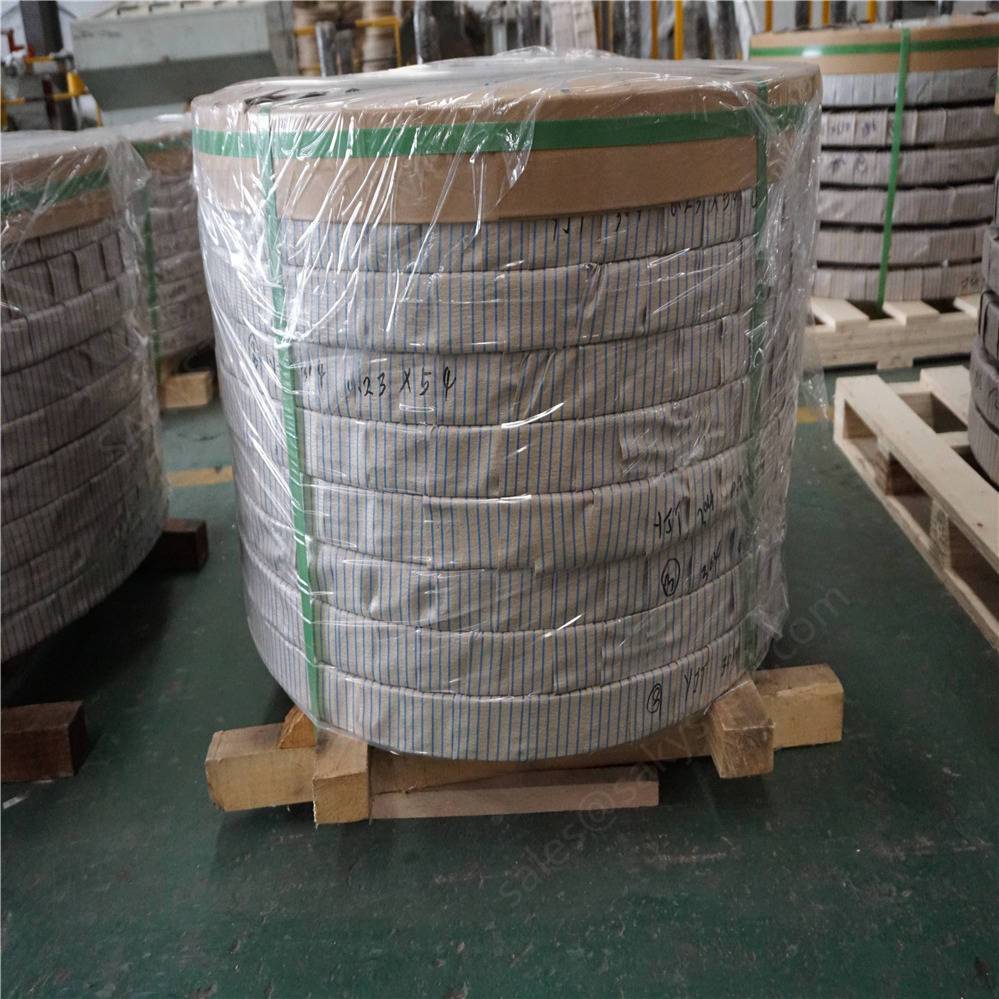
| Surface Protection | Protective oil, VCI paper, plastic film or waterproof wrapping | Protect the bar surface from moisture and handling damage |
| Individual Separation | Paper, foam or plastic separators for finished bars | Reduce scratching and metal-to-metal contact |
| Bundle Packing | Protected steel straps or reinforced bundle packing | Prevent movement and bending during lifting |
| End Protection | Plastic caps, foam pads or wooden end blocks | Protect saw-cut and machined bar ends |
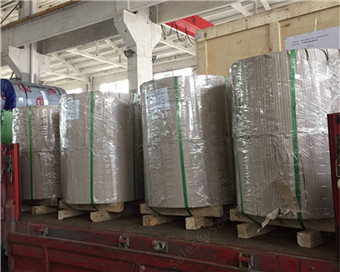
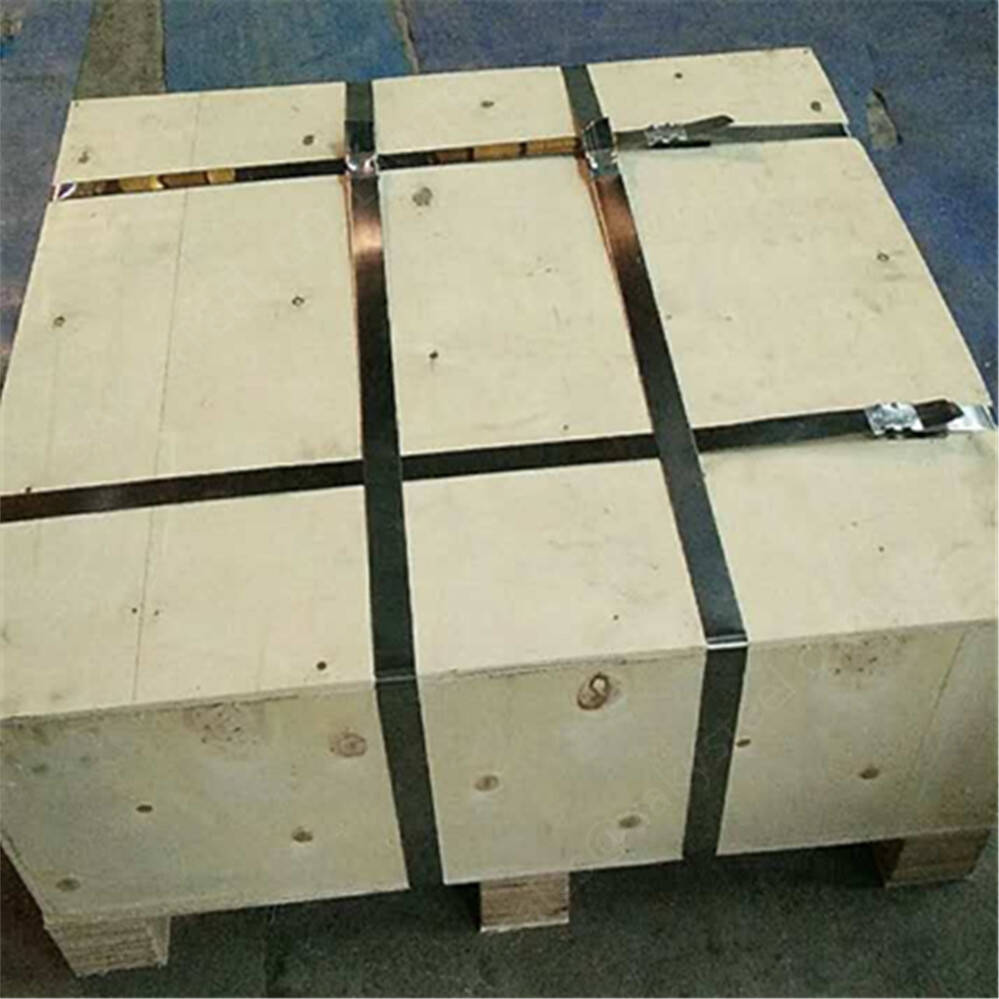
| Wooden Case or Pallet | Export-standard wooden case, skid or reinforced pallet | Support sea, air and road transportation |
| Product Marking | Grade, UNS number, size, heat number and quantity | Maintain material identification and traceability |
| Shipping Documents | Packing list, MTC, inspection reports and shipping marks | Support customs clearance and project acceptance |


Applications & Machinability
Industrial Applications
| Industry | Typical Components | Selection Consideration |
|---|---|---|
| Chemical Processing | Valve stems, pump shafts, fasteners, reactor internals and acid-handling parts | Primary application area for oxidizing acid and mixed-acid service |
| Fertilizer Production | Phosphoric acid evaporator parts, agitator shafts and process hardware | Selected for resistance to contaminated wet-process phosphoric acid |
| Metal Pickling | Acid-handling rods, fasteners, fixtures and equipment components | Suitable for selected nitric-acid-based pickling systems |
| Medical Instruments | Specialized acid-processing equipment and corrosion-resistant instrument parts | Not an implant alloy; application requires cleaning and media compatibility review |
| Aerospace | Special chemical-processing fixtures and corrosion-resistant plant equipment | Generally selected for corrosive process service rather than primary flight structures |
| Marine Hardware | Specialized pump, valve and chemical-treatment components | Seawater suitability should be confirmed against chloride and crevice conditions |
| Pollution Control | Scrubber components, shafts and acid-condensate handling parts | Useful where oxidizing acidic condensates are present |
Machinability, Welding and Heat Treatment
| Processing Property | Performance | Recommendation |
|---|---|---|
| Machinability | Difficult compared with free-machining stainless steel such as 303 | Use rigid equipment, sharp carbide tools, positive feed and abundant coolant |
| Work Hardening | Work-hardens more readily than many austenitic stainless steels | Avoid tool rubbing and maintain continuous cutting action |
| Hot Working | Can be forged, rolled, upset and extruded within a controlled range | Use moderate reductions and reheat as necessary |
| Cold Forming | Possible, but higher force is required than for common stainless steel | Use intermediate annealing for extensive cold deformation |
| Welding | Suitable for GTAW, GMAW and SMAW using matching consumables | Use ERNiCrMo-11 or ENiCrMo-11 under a qualified procedure |
| Weld Preparation | Surface contamination can affect weld quality | Thoroughly clean and degrease the weld area before welding |
| Solution Annealing | Used to optimize corrosion resistance and ductility | Typical annealing temperature is about 1177°C followed by rapid cooling |
| Post-Form Annealing | Recommended after hot forming or substantial cold forming | Re-anneal after cold forming with significant outer-fiber elongation |
| Hardening Response | Not a precipitation-hardening alloy | Do not specify age hardening as the primary strengthening process |
Why Choose SAKY STEEL?
| Supply Capability | Product Support |
|---|---|
| Product Form Selection | Hot-rolled, forged, peeled, turned, polished and ground alloy bars can be supplied. |
| Customized Dimensions | Diameter, length, machining allowance, tolerance and surface finish can be customized. |
| Heat Number Traceability | Material markings and inspection documents can be connected to the original heat number. |
| Certificate Support | MTC (Mill Test Certificate / 质保书) and EN 10204 3.1 certificate can be provided according to order requirements. |
| Material Verification | PMI, chemical analysis, mechanical testing and dimensional inspection can be arranged. |
| Nondestructive Testing | UT and liquid penetrant testing can be discussed according to bar size and specification. |
| Third-Party Inspection | SGS, BV, TÜV or customer-appointed inspection can be supported. |
| Export Packaging | Protective wrapping, wooden cases, pallets and customized shipping marks are available. |
FAQ
What is Hastelloy G30 Alloy Bar?
Hastelloy G30 Alloy Bar is a nickel-chromium-iron-molybdenum alloy bar with high chromium content. It is primarily selected for resistance to wet-process phosphoric acid, nitric acid and other oxidizing chemical environments.
What is the UNS number for Hastelloy G30?
The wrought base material designation is UNS N06030. The matching welding material may be identified by UNS W86030 and AWS classifications ERNiCrMo-11 or ENiCrMo-11.
What standard applies to Hastelloy G30 round bar?
Hastelloy G30 billet, rod and bar products are commonly ordered according to ASTM B581 or ASME SB581. Forged products may be specified according to ASTM B462 or ASME SB462 where applicable.
What is Hastelloy G30 used for?
Typical uses include phosphoric acid equipment, fertilizer-production components, nitric acid pickling hardware, valve parts, pump shafts, fasteners, agitator parts, reactor components and acid-handling equipment.
Is Hastelloy G30 resistant to phosphoric acid?
Hastelloy G30 was developed for strong resistance to wet-process phosphoric acid containing process impurities. Suitability still depends on acid concentration, temperature, chlorides, fluorides, solids and equipment conditions.
Is Hastelloy G30 resistant to nitric acid?
Its high chromium content provides strong resistance to nitric acid and many mixtures containing nitric acid. Actual corrosion performance should be confirmed for the specified concentration, temperature and contaminants.
Is Hastelloy G30 easy to machine?
Hastelloy G30 is more difficult to machine than 303 stainless steel because it has higher strength and work-hardens readily. Sharp carbide tools, rigid equipment, positive feeds and sufficient coolant are recommended.
Can Hastelloy G30 be welded?
Yes. GTAW, GMAW and SMAW processes can be used with suitable matching consumables. ERNiCrMo-11 wire and ENiCrMo-11 covered electrodes are common matching classifications.
Does Hastelloy G30 require heat treatment?
Wrought products are normally supplied in the mill-annealed condition. Solution annealing followed by rapid cooling is used to optimize corrosion resistance and ductility, especially after hot forming or substantial cold deformation.
Can Hastelloy G30 be precipitation hardened?
No. Hastelloy G30 is not normally strengthened by precipitation-hardening heat treatment. It is supplied and used primarily in the solution-annealed condition for corrosion resistance and ductility.
Can Hastelloy G30 bars be supplied with UT testing?
Ultrasonic testing can be arranged when technically applicable. The customer should specify the test standard, acceptance level, bar diameter, scanning method and reporting requirements.
Can Hastelloy G30 be supplied with MTC?
Yes. MTC, EN 10204 3.1 certificate, heat-number records, chemical composition, mechanical properties, PMI and dimensional reports can be supplied according to the purchase order.
What information is required for a quotation?
Please provide the grade, standard, diameter, length, quantity, surface finish, tolerance, delivery condition, machining allowance, inspection requirements, certificate type, packaging and delivery destination.
“`