ASTM B409 Incoloy 800HT UNS N08811 Sheet and Plate
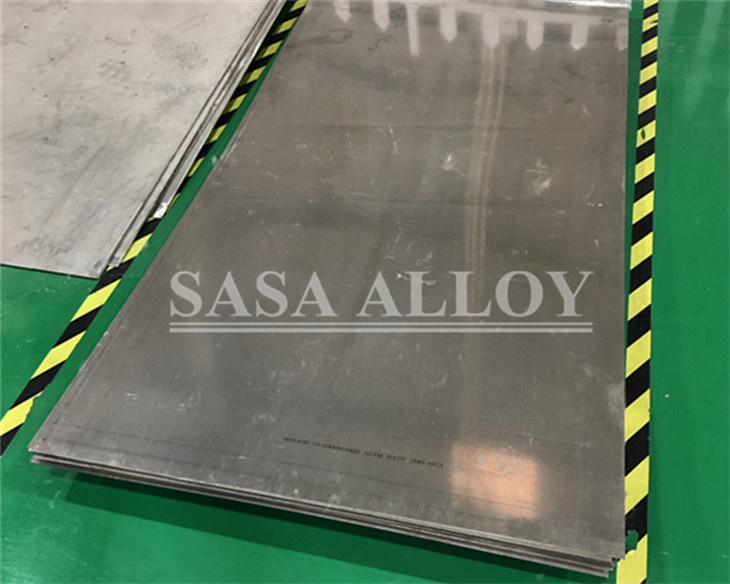
UNS N08811 nickel-iron-chromium flat products for high-temperature equipment requiring long-term strength with oxidation and carburization resistance.
For a faster quotation: send the required thickness × width × length, quantity, specification, delivery condition and destination.
ASTM B409 Incoloy 800HT UNS N08811 sheet and plate are nickel-iron-chromium flat products developed for elevated-temperature equipment that requires oxidation and carburization resistance together with controlled long-term creep strength. Alloy 800HT differs from standard Alloy 800 through tighter carbon, aluminum and titanium controls and a specified high-temperature solution treatment. Final material condition, dimensions and inspection requirements should be defined by the applicable specification and purchase order.
Product Overview
Incoloy 800HT is identified as UNS N08811 and W.Nr. 1.4959. In sheet and plate form, ASTM B409 and ASME SB-409 are common procurement references. The alloy is selected for furnace, petrochemical and heat-processing components where ordinary stainless steels may lose strength or suffer accelerated oxidation at temperature. It is not automatically the correct choice for every corrosive service; temperature, atmosphere, stress, fabrication route and design code must be evaluated together.
Product Specifications
| Item | Procurement Reference |
|---|---|
| Material | Incoloy 800HT nickel-iron-chromium alloy |
| UNS / W.Nr. | N08811 / 1.4959 |
| Product Form | Sheet and plate |
| Applicable Standard | ASTM B409 / ASME SB-409; other requirements subject to specification review |
| Delivery Condition | Solution-treated condition appropriate to Alloy 800HT; confirm the required condition on the purchase order |
| Dimensions | Thickness, width and length according to customer requirements and confirmed production availability |
| Surface / Processing | Hot rolled, descaled or pickled; leveling, cut-to-size and other processing available when specified |
| Documentation | MTC and inspection documentation according to the agreed order requirements |
Key Material Features
- Elevated-temperature stability: controlled chemistry and solution treatment support grain structure and creep performance for long-term high-temperature service.
- Oxidation resistance: chromium contributes protection in many oxidizing furnace and process atmospheres.
- Carburization and nitriding resistance: the alloy can provide useful resistance in suitable heat-treatment and petrochemical environments.
- Fabricability: sheet and plate can be formed, welded and machined using procedures developed for nickel alloys.
- Procurement traceability: heat number, material designation and applicable specification should be verified against the MTC.
Typical Chemical Composition
The following values are typical specification references for UNS N08811. Requirements can vary with the applicable document and edition; actual heat analysis shall be confirmed by the MTC.
| Element | Ni | Cr | Fe | C | Al | Ti | Al + Ti | Mn | Si | Cu | S |
|---|---|---|---|---|---|---|---|---|---|---|---|
| Typical reference, % | 30.0–35.0 | 19.0–23.0 | Balance | 0.06–0.10 | 0.25–0.60 | 0.25–0.60 | 0.85–1.20 | ≤1.50 | ≤1.00 | ≤0.75 | ≤0.015 |
High-Temperature Performance and Selection
Alloy 800HT is normally selected for its long-term elevated-temperature capability rather than for maximum room-temperature strength. Mechanical properties depend on product thickness, solution treatment, grain structure and test temperature. Designers should use values from the governing material specification and applicable design code. The MTC provides the actual reported results for the supplied heat and product lot.
For cyclic service, thermal expansion, restraint, weld geometry and temperature gradients also require review. Corrosion resistance data from one atmosphere should not be applied automatically to a different gas chemistry, molten salt or aqueous process.
Sheet and Plate Processing Options
| Process | Purpose | Purchasing Note |
|---|---|---|
| Hot Rolled and Pickled | General plate fabrication | Confirm surface acceptance and thickness tolerance |
| Cut-to-Size | Reduce preparation before fabrication | Provide drawing dimensions and tolerance |
| Leveling | Improve flatness for fabrication | State the required flatness standard |
| Machined Edges | Prepare components for assembly or welding | Define edge geometry and machining allowance |
| Surface Finishing | Meet cleaning or fabrication requirements | Finish availability must be confirmed for the requested size |
Manufacturing Process
Typical production flow for Alloy 800HT flat products is: Melting → Ingot or Slab Processing → Hot Rolling → Solution Heat Treatment → Descaling / Pickling → Leveling → Cutting → Inspection. The exact route depends on mill practice, plate thickness and the specified delivery condition. The solution-treatment stage is important because chemistry alone does not establish the required 800HT condition.
Related Grade Comparison
| Grade | Main Feature | Temperature / Corrosion Focus | Relative Cost | Typical Selection |
|---|---|---|---|---|
| Incoloy 800 / UNS N08800 | General oxidation and carburization resistance | General elevated-temperature fabrication where 800HT creep requirements are not specified | Lower | Moderate-temperature process and furnace components |
| Incoloy 800H / UNS N08810 | Controlled carbon and grain structure | Improved creep and rupture strength at elevated temperature | Medium | High-temperature pressure and process equipment |
| Incoloy 800HT / UNS N08811 | Tighter carbon, aluminum and titanium control | Long-term high-temperature strength with oxidation and carburization resistance | Medium | Furnace and petrochemical components requiring the specified 800HT condition |
| Incoloy 825 / UNS N08825 | Added molybdenum and copper | Greater emphasis on aqueous corrosion resistance rather than 800HT-type creep service | Higher | Acid and wet-corrosion process equipment when its chemistry is appropriate |
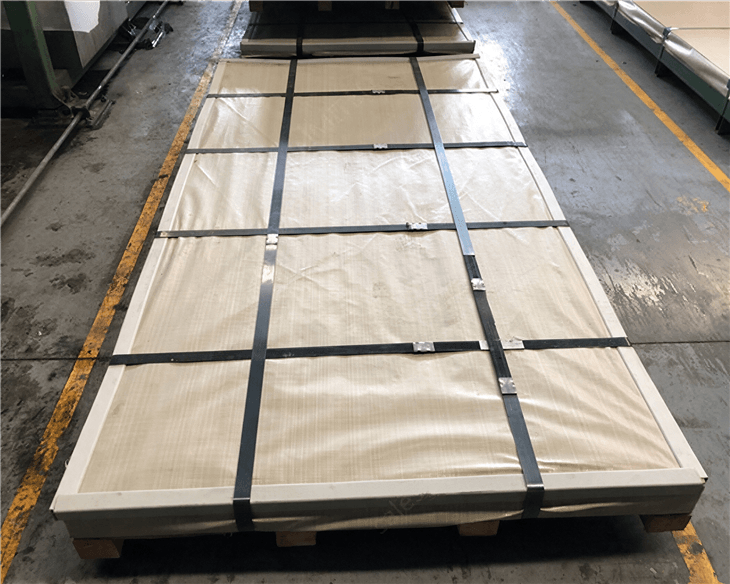
Packaging
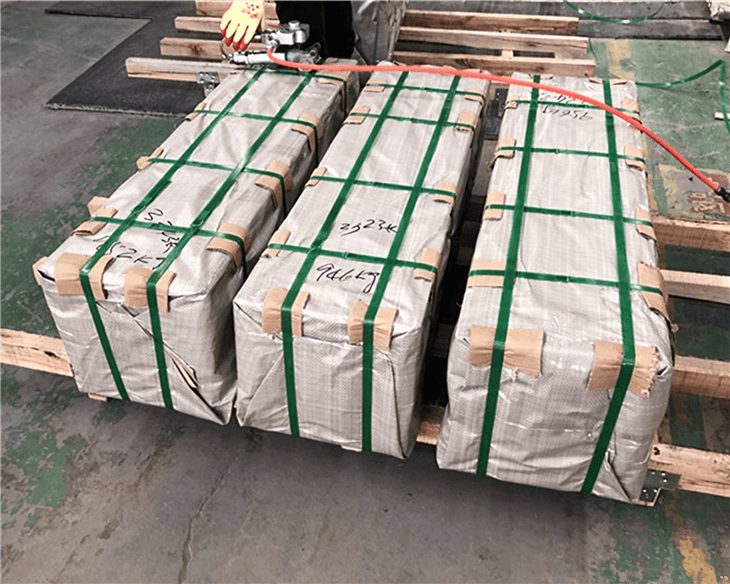
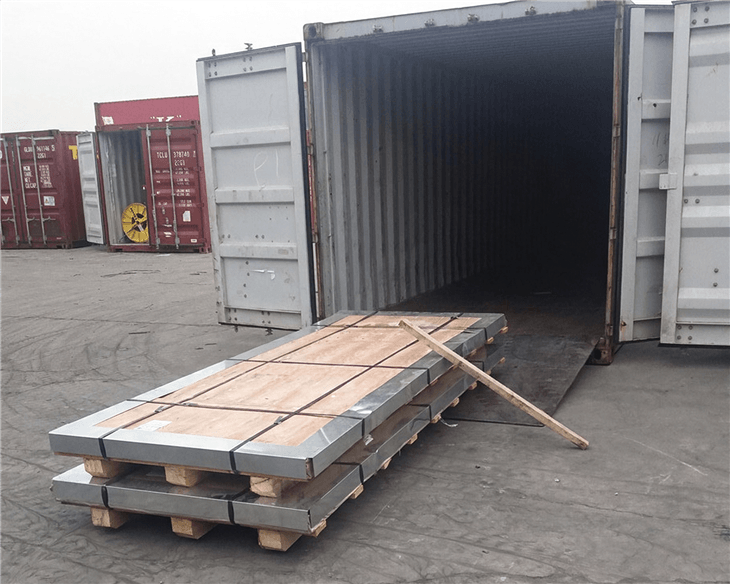
Applications
- Heat-treatment furnace components: useful where sheet or plate must tolerate repeated exposure to oxidizing or carburizing atmospheres.
- Petrochemical heater and reformer components: considered for high-temperature parts when creep strength and process atmosphere compatibility are required.
- Heat exchangers and process equipment: selected where the specified temperature and environment match Alloy 800HT capabilities.
- Power-generation and thermal-processing equipment: used for fabricated components exposed to sustained heat and structural loading.
- High-temperature supports and baffles: plate provides a practical form for cut and welded assemblies.
These are typical application areas, not automatic material approvals. Suitability must be confirmed for the actual temperature, atmosphere, load, fabrication procedure and design code.
Inspection and Quality Control
- Material identification and review of heat number and MTC
- Chemical analysis according to the applicable specification
- PMI available when specified; PMI does not replace laboratory chemical analysis
- Thickness, width, length, flatness and dimensional inspection
- Surface inspection for the agreed finish and acceptance criteria
- Mechanical testing and hardness review as required by the specification
- Ultrasonic testing available when specified and technically applicable
Nonstandard testing, acceptance levels and third-party inspection must be stated before quotation. Testing should not be represented as completed until confirmed by the applicable report.
Fabrication Guidance
Nickel alloys generally work-harden more rapidly than carbon steel and require suitable tooling, cutting parameters and rigid machine setup. Forming procedures should account for springback. Welding consumables and procedures must match the design temperature, code and service environment. Remove contamination from tools and work surfaces before fabrication, and define any post-fabrication cleaning or heat-treatment requirements in the fabrication specification.
Why Choose SASA ALLOY?
- Support for customized sheet and plate dimensions subject to production review
- Cut-to-size and processing coordination according to drawings
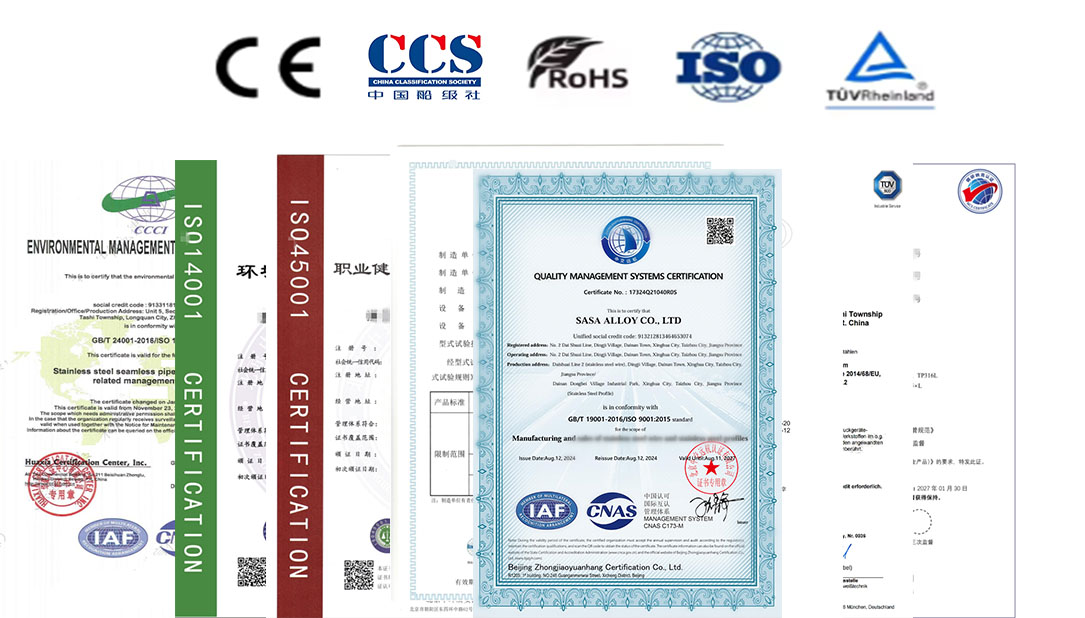
- Material traceability and MTC documentation for the agreed supply
- EN 10204 3.1 documentation when applicable and specified
- Inspection coordination and export packaging according to order requirements
- Technical review of grade, standard, product form and delivery condition before quotation
Technical FAQ
What standard applies to Incoloy 800HT sheet and plate?
ASTM B409 and ASME SB-409 are common references for Alloy 800HT sheet and plate. The project specification and edition must be confirmed before supply.
What is the difference between Incoloy 800H and 800HT?
Both are high-temperature grades. 800HT uses tighter carbon, aluminum and titanium controls together with the required heat treatment to support long-term elevated-temperature properties.
What sheet or plate sizes can be supplied?
Dimensions depend on thickness, mill route and current production availability. Provide the required thickness, width, length, tolerance and quantity for confirmation.
Can cut-to-size or machined plate be supplied?
Cutting, leveling and selected machining support can be reviewed against the drawing, tolerance and order quantity.
What inspections are available?
Dimensional and surface inspection apply to the agreed product. PMI, ultrasonic testing and additional inspection are available when specified and technically applicable.
Can an MTC be provided?
Material documentation can be supplied according to the agreed purchase requirements. State the required certificate type before quotation.
What information is required for quotation?
Provide ASTM or ASME specification, UNS grade, dimensions, quantity, delivery condition, surface, tolerance, testing, documentation, destination and required delivery schedule.
Related Incoloy 800HT Products
For other product forms, review the Incoloy 800HT alloy overview, Incoloy 800HT round bar and Incoloy 800/800H/800HT pipe and tube. These links point to existing SASA ALLOY product pages.