Incoloy 800H and Incoloy 800HT are closely related nickel-iron-chromium alloys designed for elevated-temperature service. Because their UNS designations, chemistry limits and heat-treatment requirements overlap, buyers sometimes treat them as interchangeable. For pressure equipment, furnace parts and creep-critical components, that assumption can create a specification problem.
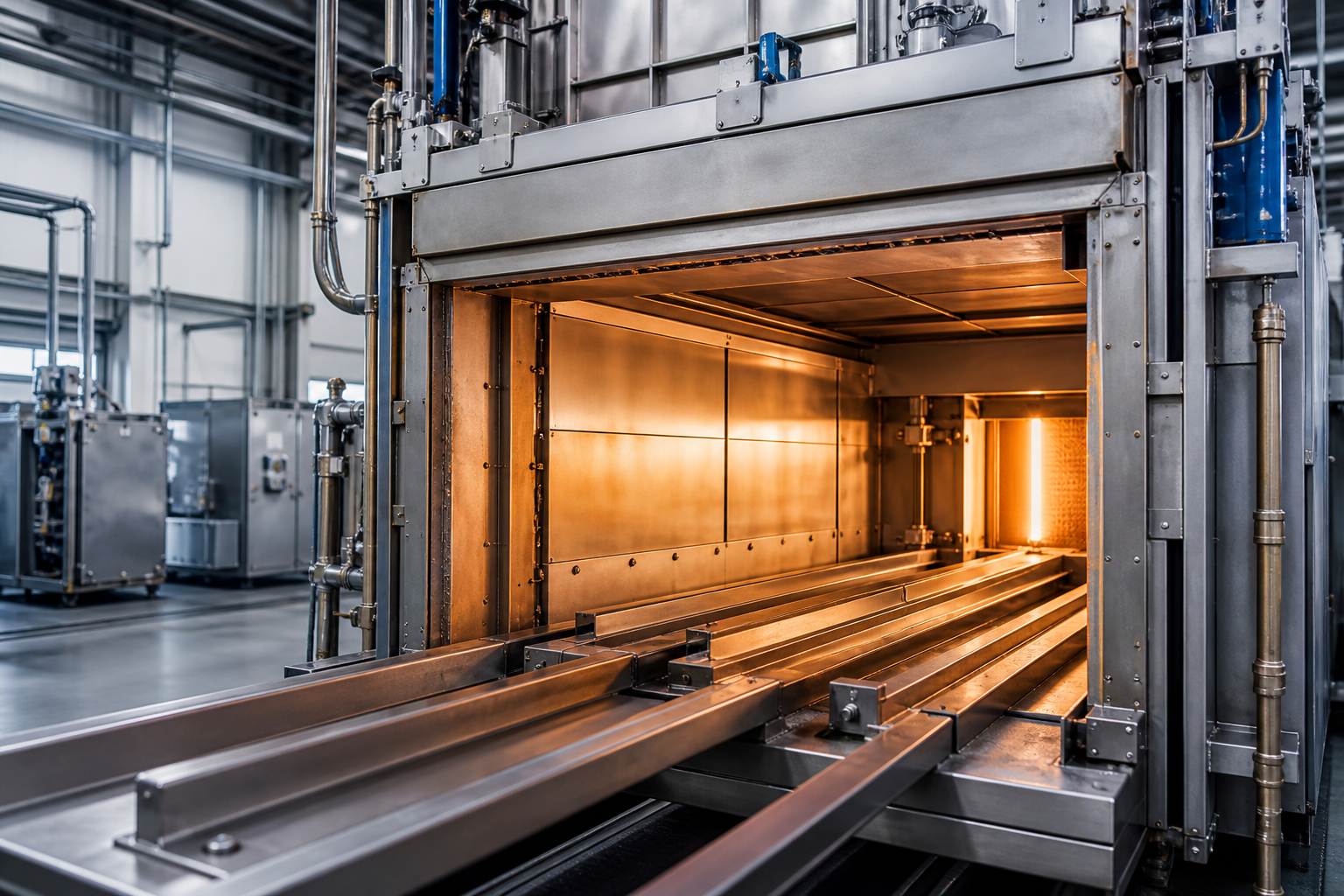
Incoloy 800H vs 800HT Overview
| Factor | Incoloy 800H | Incoloy 800HT |
|---|---|---|
| UNS | N08810 | N08811 |
| Primary selection direction | Elevated-temperature strength and oxidation resistance | Enhanced control for creep and stress-rupture service |
| Chemistry control | Controlled carbon within the applicable specification | Tighter carbon plus aluminum/titanium requirements |
| Purchase focus | Condition, grain size and elevated-temperature properties | Full chemistry, treatment, grain-size and rupture-property requirements |
Exact limits and properties must be verified against the current material standard, product form and project specification.
What 800H and 800HT Have in Common
Both alloys are based on the Incoloy 800 composition family and combine nickel, iron and chromium. Their nickel content supports resistance to carburization and helps maintain an austenitic structure, while chromium contributes oxidation resistance. They are considered for furnace components, petrochemical equipment, heat-treatment fixtures, process piping and other elevated-temperature systems.
Both require careful control of thermal processing. A sheet or plate carrying the correct alloy name but delivered in an unsuitable condition may not provide the expected high-temperature performance.
The Main Difference: Chemistry and Creep Control
800HT is not simply a marketing name for 800H. Its specification controls are intended to support creep and stress-rupture performance through chemistry and thermal processing. In practical procurement, the buyer should check the reported carbon, aluminum and titanium values rather than accepting a generic “800H/800HT” statement without supporting documentation.
Some material may satisfy overlapping requirements, but dual certification should only be accepted when the chemistry, heat treatment, grain size, mechanical properties and documentation comply with both specified designations. The purchase order must state whether dual certification is permitted.
Grain Size and Solution Treatment
High-temperature creep strength is influenced by grain structure. Solution treatment at a sufficiently high temperature promotes the grain size and carbide distribution associated with elevated-temperature performance. However, the correct treatment depends on thickness, product form and applicable specification.
Buyers should avoid specifying only a nominal solution-treatment temperature copied from a data sheet. Instead, define the governing standard, delivery condition and required test values. For current product details, review the ASTM B409 Incoloy 800H sheet and plate and ASTM B409 Incoloy 800HT sheet and plate pages.
ASTM B409 and Product-Form Requirements
ASTM B409 covers nickel-iron-chromium alloy plate, sheet and strip. It provides a purchasing framework for chemistry, mechanical properties, dimensions, workmanship and testing. The buyer should identify the exact UNS designation, product form, thickness, dimensions, condition and supplementary requirements.
For welded equipment or pressure-retaining service, the design code may impose additional allowable-stress, fabrication, inspection and documentation requirements. Material compliance alone does not establish suitability of the finished equipment.
When to Specify Incoloy 800H
- Elevated-temperature components where N08810 is explicitly listed by the design specification.
- Furnace and heat-treatment equipment requiring oxidation and carburization resistance.
- Petrochemical or process equipment where the calculated stress and temperature fall within the approved design basis.
- Projects where 800H chemistry, grain size and mechanical properties are specifically required.
When to Specify Incoloy 800HT
- Creep- or stress-rupture-sensitive service where N08811 is specified.
- Long-duration elevated-temperature components requiring the additional chemistry controls of 800HT.
- Projects where the engineering specification calls for controlled aluminum plus titanium content.
- Orders requiring documented heat treatment and grain-size compliance for 800HT.
Fabrication Considerations
Both alloys can be formed and welded using procedures suitable for nickel-iron-chromium alloys. Heat input, interpass temperature, filler metal, cleanliness and post-fabrication treatment should be controlled by the qualified procedure. Cold work and welding can change local microstructure and residual stress, so the equipment designer must decide whether additional thermal treatment is required.
For plate procurement, confirm edge condition, flatness, surface finish, permissible repair, marking and protective packaging. These details influence fabrication efficiency even when chemistry is correct.
RFQ Checklist for 800H or 800HT Plate
- UNS N08810 or UNS N08811—do not use only “Alloy 800”
- ASTM B409 or the project-specific standard and revision
- Sheet, plate or strip; thickness, width and length
- Delivery condition and required grain size
- Chemical composition and mechanical-property documentation
- Elevated-temperature or stress-rupture requirements when applicable
- Surface, flatness, edge and dimensional tolerances
- Third-party inspection, marking and packaging
Frequently Asked Questions
Can 800HT be used instead of 800H?
Only when the design specification permits it and the supplied material meets every applicable requirement. Engineering and code approval may be necessary.
Can material be certified as both 800H and 800HT?
Dual certification is possible only when chemistry, heat treatment, grain size, properties and documentation satisfy both requirements. It must not be assumed from the trade name.
Is 800HT always better at high temperature?
“Better” depends on the design code, stress, exposure and required life. Use the alloy designation and properties approved for the actual equipment.
Send UNS grade, product form, dimensions, quantity, condition and document requirements through the SASA ALLOY Incoloy 800HT sheet and plate page.
Post time: Aug-11-2026