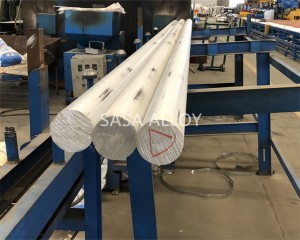
LM6 Aluminium Casting Alloy
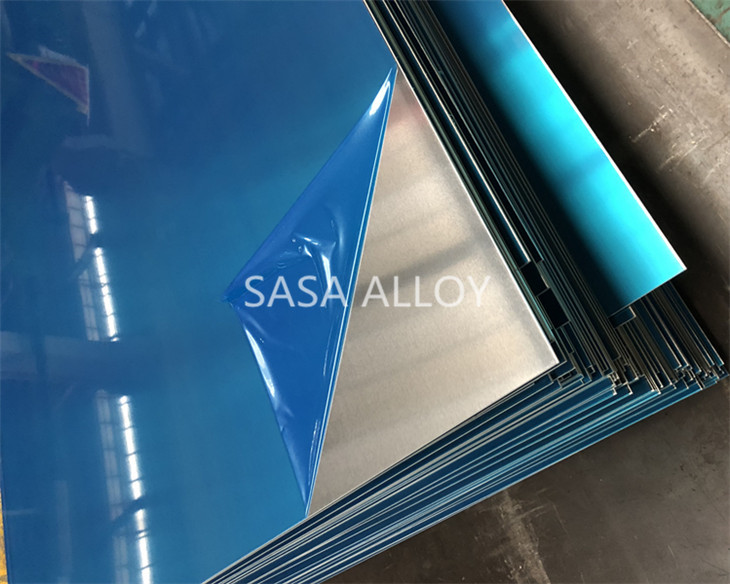
LM6 aluminium casting alloy is a legacy British designation for an aluminium-silicon casting material. It should be ordered as a casting alloy or finished casting—not as ASTM B209 sheet or plate. Casting process, condition, dimensions, inspection and acceptance criteria must be stated on the purchase order.
LM6 Product Specification
| Alloy designation | LM6 |
|---|---|
| Material family | Aluminium-silicon casting alloy |
| Product form | Casting alloy supply and finished cast components, subject to inquiry |
| Reference framework | BS 1490 legacy designation; BS EN 1706 for current casting requirements |
| Casting route | Specify sand, gravity die, pressure die or other approved process on the drawing |
| Condition | As-cast or project-specified condition; confirm before quotation |
Engineering and Procurement Considerations
| Item | What the Buyer Should Confirm |
|---|---|
| Chemical composition | State the required standard edition and alloy designation. Do not substitute a wrought-sheet composition table. |
| Mechanical properties | Requirements depend on casting process, section thickness, condition and whether separately cast or attached test pieces are specified. |
| Casting quality | Define permissible discontinuities, repair limits, pressure tightness and surface acceptance where applicable. |
| Dimensional control | Provide drawing revision, machining allowance, datum scheme and critical tolerances. |
| Inspection | Specify certificate type, chemical analysis, dimensional report and any NDT or leak test required. |
Typical Application Review
LM6 is considered for cast components where casting capability, corrosion exposure, geometry and surface requirements are important. Suitability must be assessed against the actual casting method, wall thickness, load, operating temperature and inspection class. Safety-critical or highly loaded components require project-specific engineering approval.
RFQ and Purchase Confirmation
| Required documents | Drawing, specification, standard edition and acceptance criteria |
|---|---|
| Casting details | Process, condition, component weight, quantity and machining allowance |
| Quality requirements | Inspection plan, NDT, leak test, marking and traceability |
| Commercial details | Quantity, delivery condition, packaging and destination |
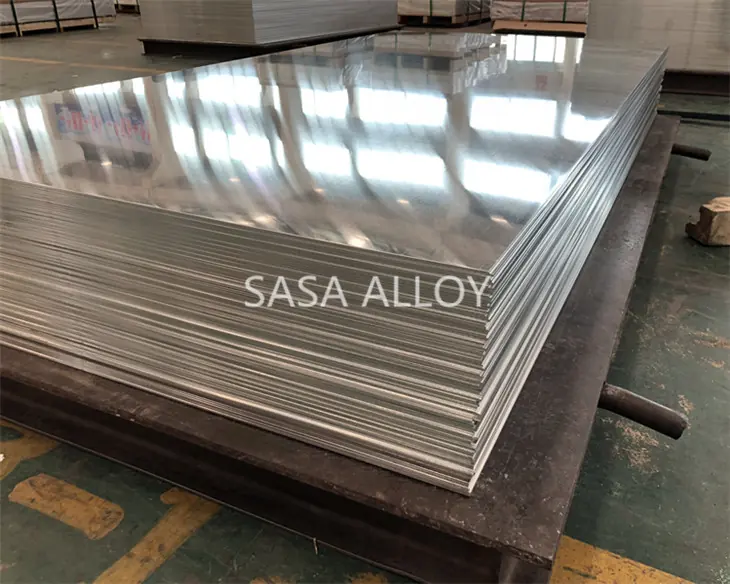
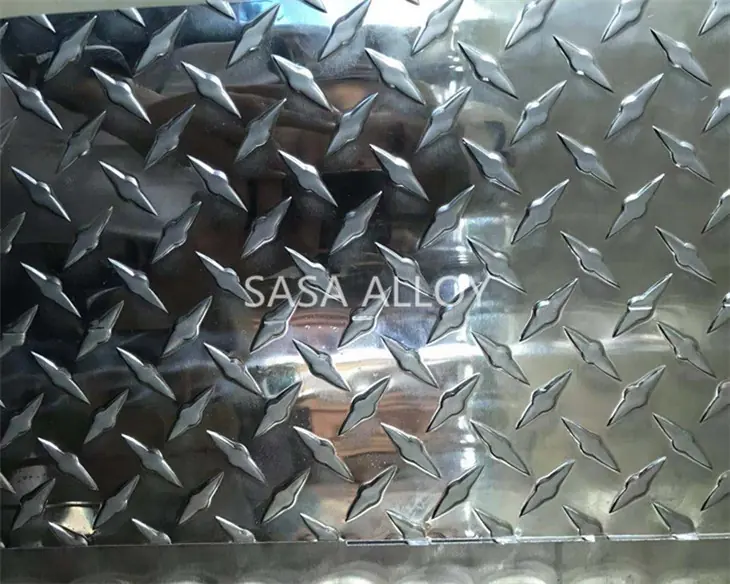
LM6 Aluminium Casting Alloy Product Images
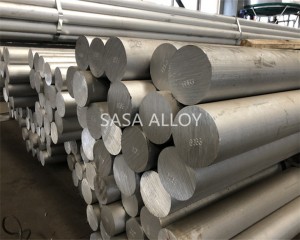
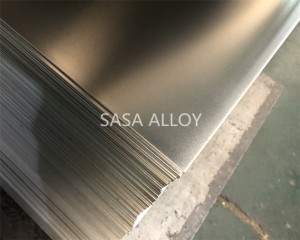
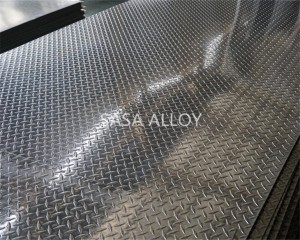
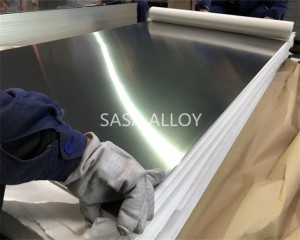
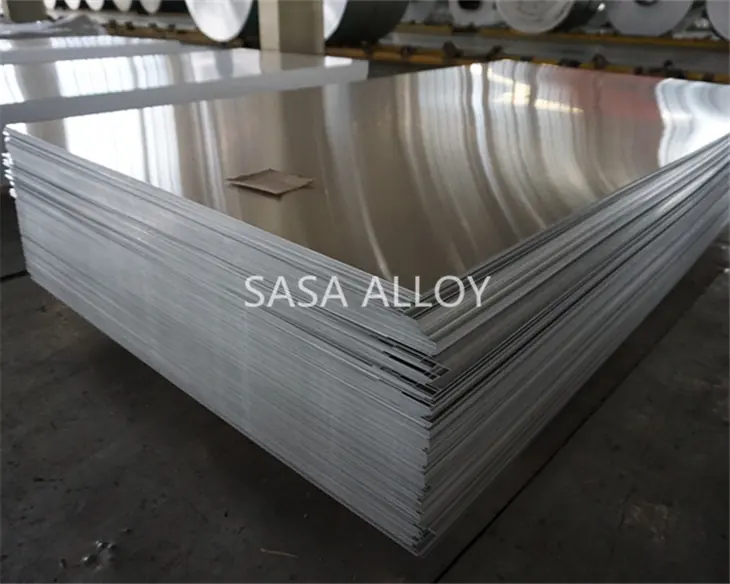
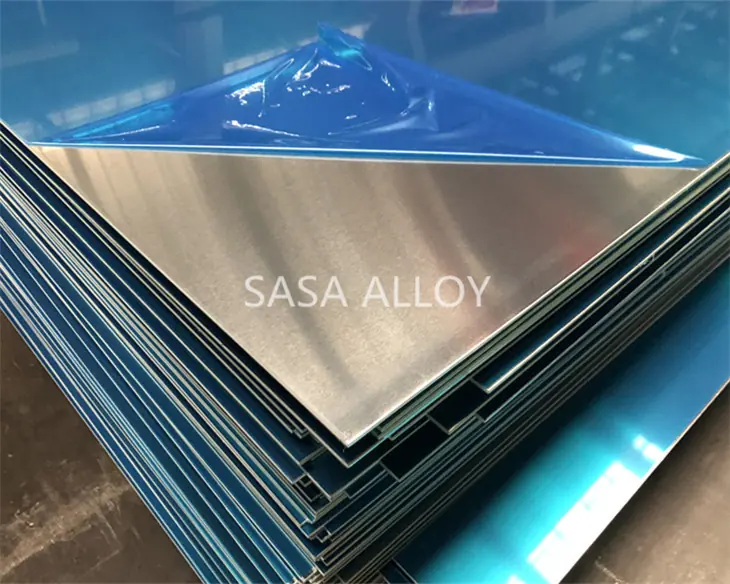
These product images show LM6 Aluminium Casting Alloy form, surface condition and workmanship for visual verification before shipment.
LM6 Aluminium Casting Alloy Applications
These images illustrate common LM6 Aluminium Casting Alloy applications and help customers evaluate the product form for their project.

LM6 Aluminium Casting Alloy Packaging and Shipping
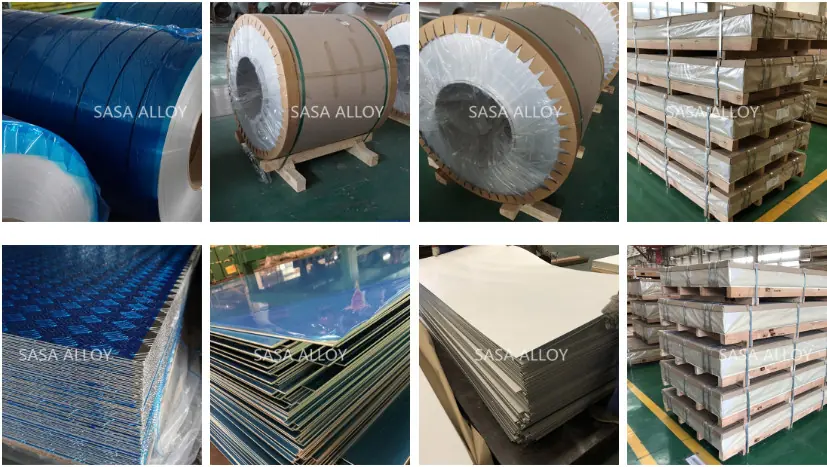
Packaging images show how LM6 Aluminium Casting Alloy is protected, secured and identified to reduce damage during storage and international transport.
\n